There is a straightforward approach to sun protection after permanent makeup in Australia: shield new pigment from the direct rays as the skin recovers, and once it has fully healed, put on a broad-spectrum sunscreen or some other physical barrier. As a rule, do not put yourself in the sun while healing and heed your technician’s advice prior to putting anything on the treated area.
I am Declan Ashby. Having made my living in the Queensland humidity and under a sun that will have an unguarded nose pink by lunchtime, I can tell you that protecting permanent makeup is important all over Australia, from Hobart to Cairns. But in those spots where UV and sweat and being outdoors form an exasperating combination, it is of greater consequence.
The Fading Effect of UV
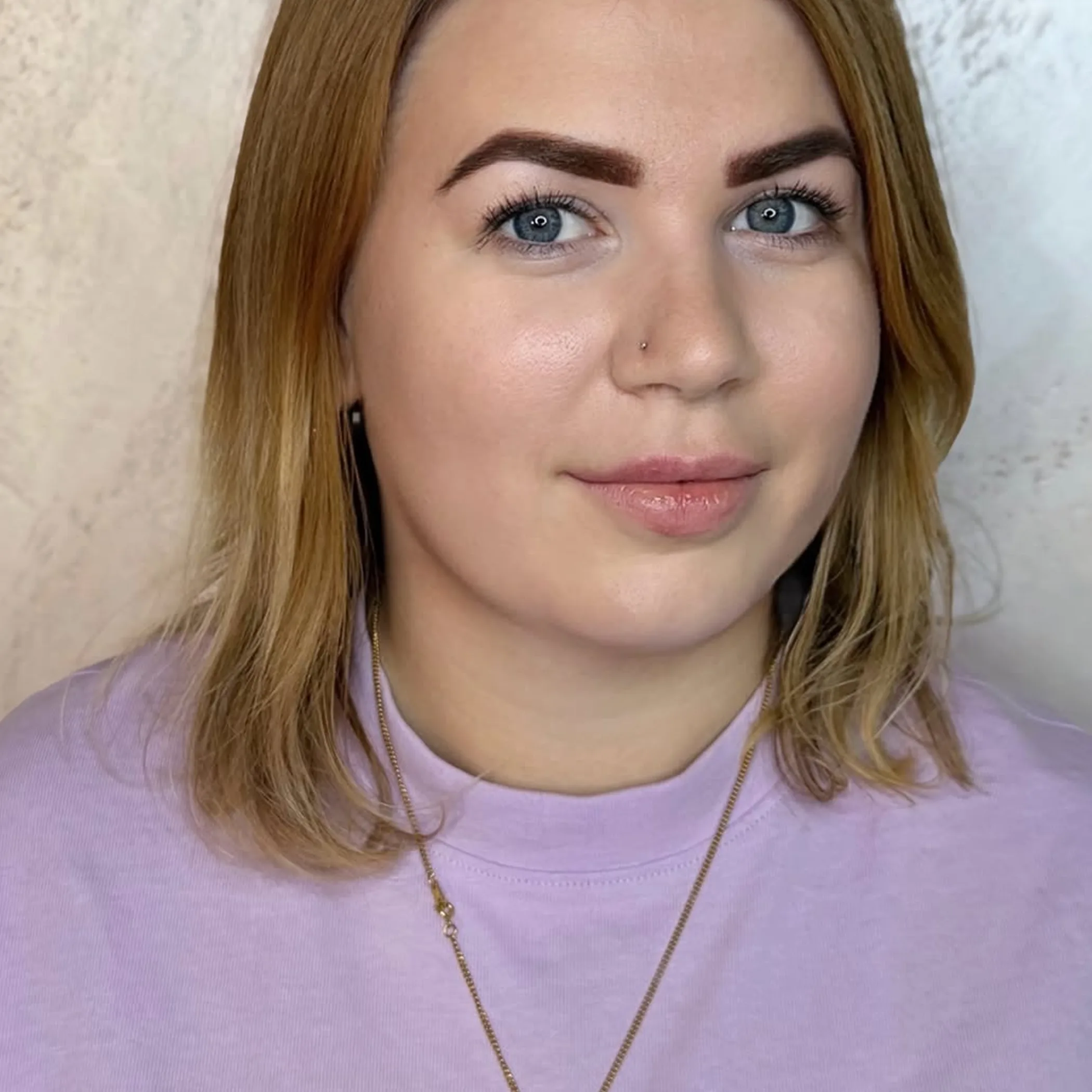
Healed cosmetic tattooing and fresh pigment are at the mercy of UV rays in their own way. Light can be an irritant to the skin and hamper colour retention in the healing stage; later on, any amount of exposure will hasten the fading process. Follow these tips for lasting brow results to help protect the results.
You have to consider UVA and UVB. The former goes deeper and does its damage over time, the latter is what causes a sunburn. Neither does one any favours when the aim is to preserve permanent makeup.
Protecting Fresh Pigment
Newly treated skin holds the pigment. It will seem dark before softening with time. But rubbing, picking, a case of the sunburn or too much perspiration can make for a difficult healing and results that are less than even.
Some will think a trip to the café is of no account. Here in Australia, that kind of incidental exposure is cumulative, whether you are out beside the water, on pale concrete or behind the wheel with the window open.
When To Steer Clear Of The Sun
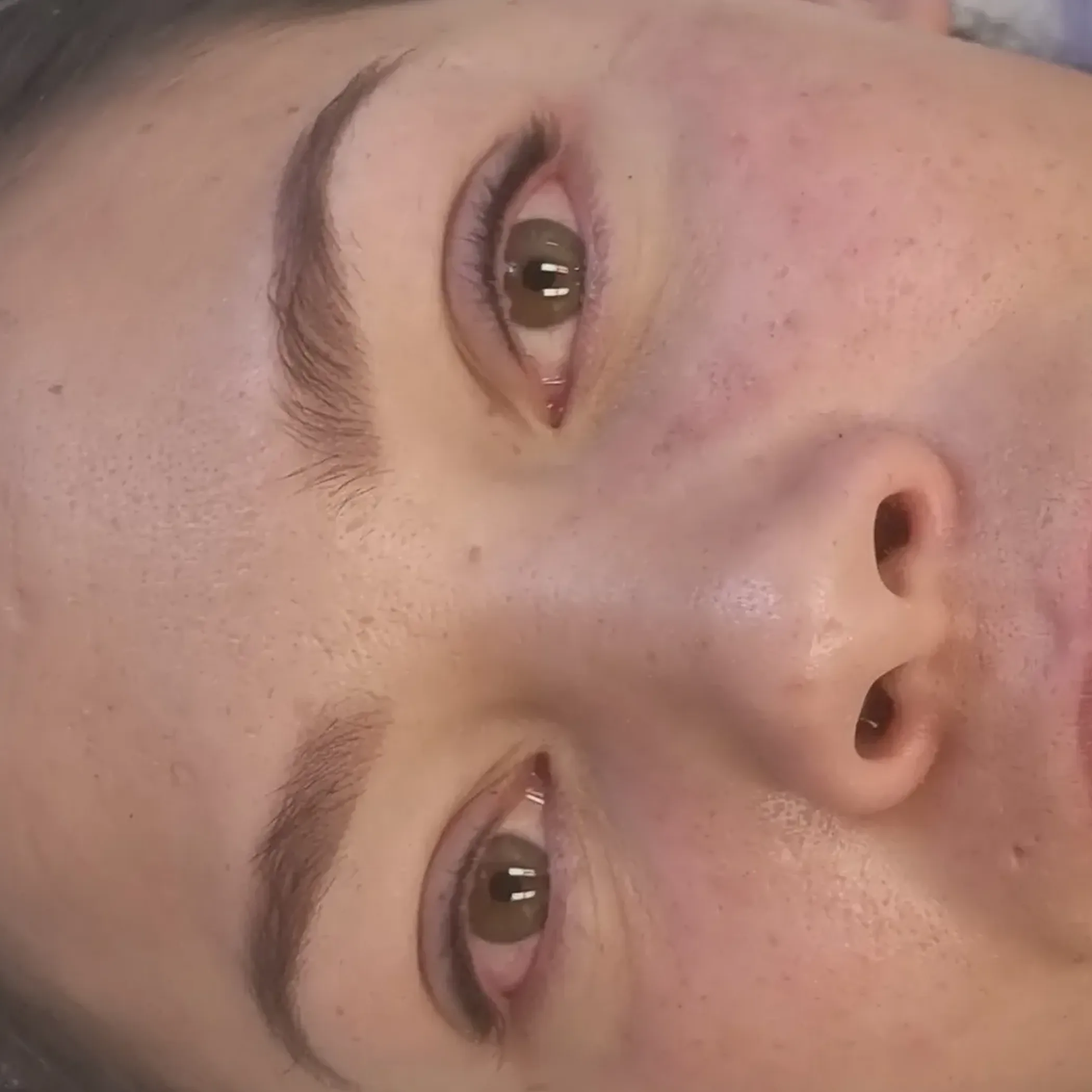
For 10 to 14 days or so you should keep the treated part of you from the direct sun. If there is still some tenderness or the skin is flaky or shiny, your technician might put a longer time frame on it.
Tanning beds are out during this period. They put concentrated UV on the skin and are hardly worth it for a few minutes of colour. A tan is no shield, merely evidence the skin has been stressed by UV.
A Question Of Healing
It takes time. Eyeliner can be sensitive at the lash line, lip work may feel taut and brows will go through a dry, flaky spell before they settle. Do not be guided by the calendar alone, wait for the skin to be sound before you put sunscreen on top of it.
Should you notice swelling, a rash, heat, discharge or pain of any severity, put down the sunscreen and get in touch with your provider or a doctor for an assessment.
On Using Sunscreen
To answer the question of when one can use sunscreen after microblading: when the technician says the skin is healed and it is appropriate. Ten to 14 days is the usual benchmark in aftercare but people and procedures vary. While you are healing, let physical barriers do the job rather than rubbing product on the skin. Once healed, however, it is part of the routine, for eyebrow work in particular.
A Readiness Check
Do not apply SPF if the area is weeping, sore, peeling or open. There is no need to scrub the skin to see; if it is raw then it is not up to a hardy skincare regimen. Those with the more sensitive skin would do well to patch-test a new product at some remove from the treatment. Be gentle with the sunscreen and do not let it near the eyes or lips unless the product is made for it. Discontinue if there is any irritation.
SPF For Healed Skin
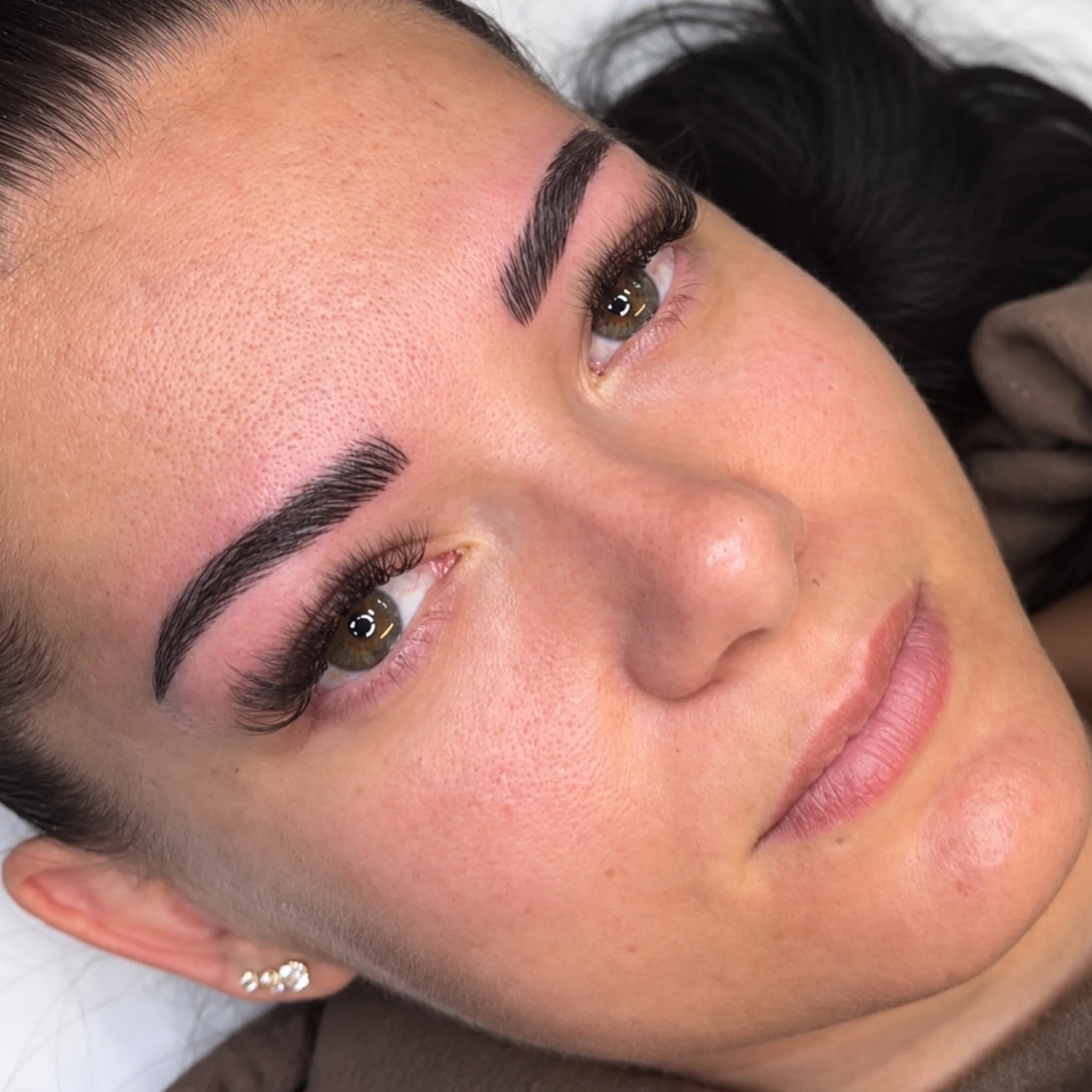
Go for a broad-spectrum of 30 or above. Where you are likely to be outside for long stretches or in high-UV terrain, an SPF 50+ is sensible for the brows and other areas prone to being overlooked. But application is as good as the number on the bottle. A thin smear will not give you the protection it claims. Reapply as the directions say, in particular after a swim or towelling off.
Sensitivity and Mineral Options
For those who are put off by the irritation of some chemical filters, a mineral sunscreen is an option. Then again, one does not have to assume any sunscreen will be right for you. Be aware that zinc oxide or titanium dioxide can put down a cast that is plain to see; it is advisable to put the finish to the test before something important. One would rather look a touch ghostly than be burnt, yet most like to be sure of it ahead of time.
It is a matter of picking the product for the area in question. What works on the face may do for the brows but the lips call for a lip product with the necessary protection. Exercise some caution around the eyeliner as stinging can result from sunscreen making its way into the eyes.
Protecting your brows, lips and eyeliner
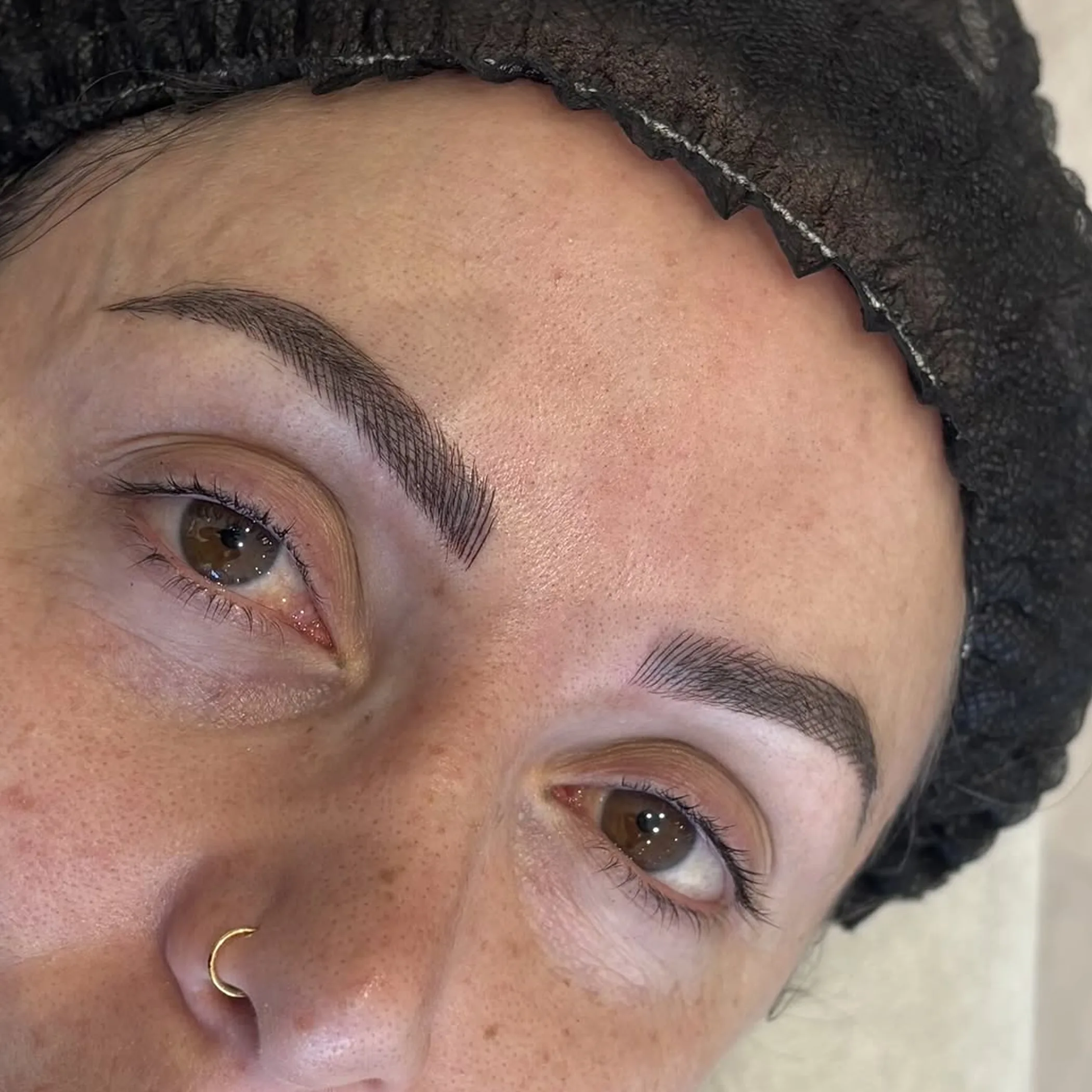
Practical habits vary with the part of the face. The overhead sun is direct on the brows, the lips are on display when you are talking or having a drink, and the eyeliner is in proximity to very fine skin and the eyes. An aftercare routine is seldom going to be perfect for all three. Physical barriers come in handy while the area is healing to keep hands off it, and they are no less so after the fact if one is out of doors for hours.
Match The Area With Protection
| Area | Best Practical Protection | Common Mistake |
|---|---|---|
| Eyebrows | Healed-skin SPF 30/50+, shade, wide-brimmed hat | Rubbing flaky skin or putting on sunscreen prematurely |
| Lips | Regular reapplication, shade and a lip product with sun protection | To think a regular balm is enough to block UV |
| Eyeliner | Suitable healed-skin products used with care, a hat and sunglasses | Letting the sunscreen run in the eyes |
A small cap is no substitute for a wide-brimmed hat which will also put shade on the sides of the face. And while sunglasses are good for the eye area, make them a proper fit and comfortable so there is no need to be at them with unwashed hands.
Some Australian Summer Aftercare
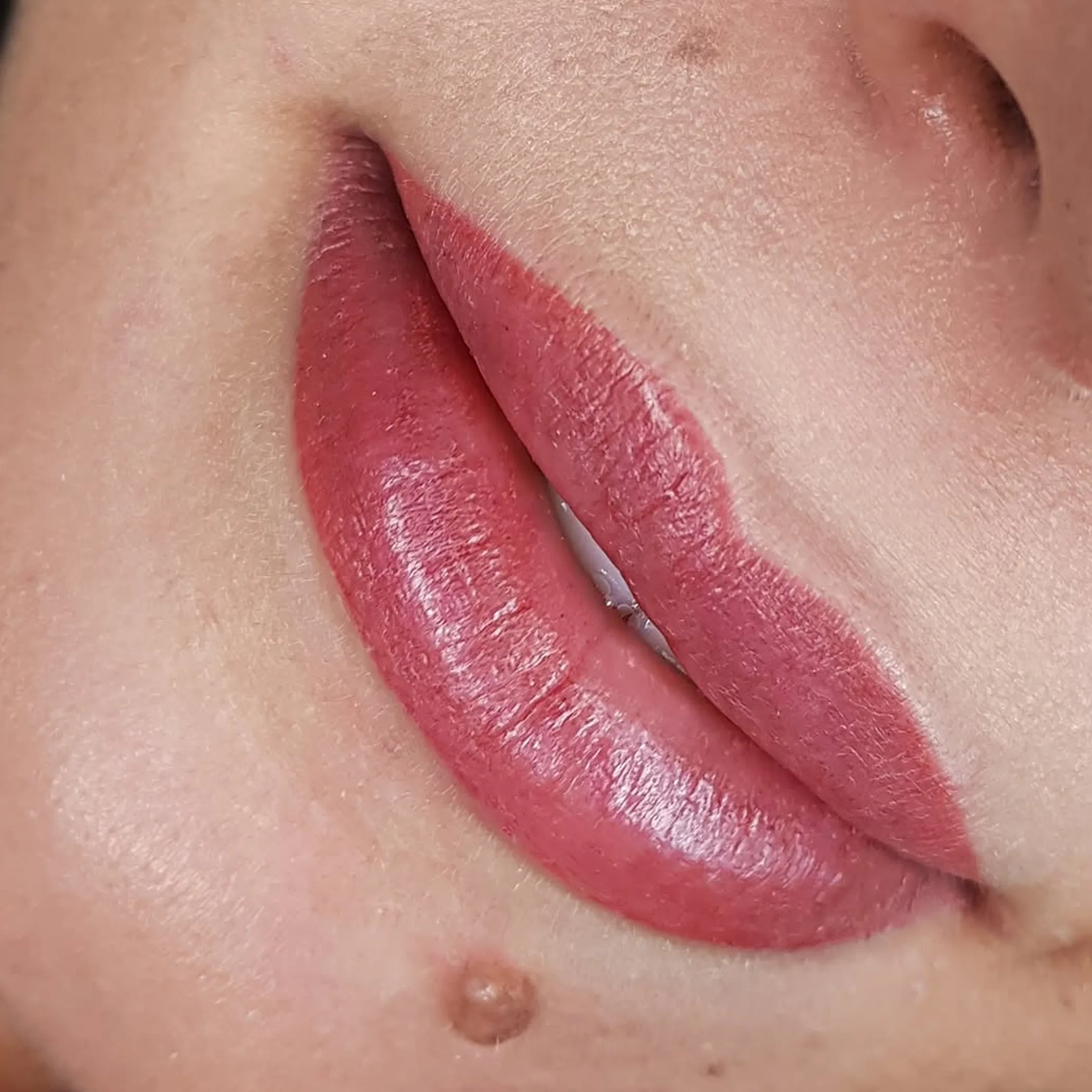
The instruction sheet does not always tell the whole story in Australia. There is more chance of sweating or neglecting the treated area with the heat and humidity, beach days, long drives or outdoor labour.
In the Top End or northern Queensland the wet season has a way of making the skin clammy and the dry season is apt to be dusty and hard on you with the sun. Low shade and glare in the Pilbara or Red Centre can take people unawares. You do not want to be on the Gibb River Road or Stuart Highway to find your hat has gone.
Plan for what is
When work or travel calls the day after treatment, put shade and a gentle aftercare first. Put off the pool, strenuous exercise and any long walks in the bush until your provider gives the go ahead.
On a road trip one should have tissues, the aftercare products from your provider, a loose hat and sunglasses in the pack. Do not leave them in a hot car and for the sake of it do not share cosmetics or towels. Make for a shaded spot to reapply rather than doing it behind the wheel.
Travellers, divers, runners and the like would be well to schedule their treatment accordingly. A procedure just prior to a camping weekend or a reef trip is asking for trouble. Pigment is not as forgiving as the sun will be next week.
Make it a habit
After the skin is done healing, daily protection is of more use than sporadic attempts. Get in the way of using physical barriers and reapplying your broad-spectrum SPF as a matter of course with your keys and water.
The Cancer Council would have you protect yourself once the UV Index is 3 or over; their national guidance is worth consulting (Cancer Council’s Australian sun protection guidance) before you put any summer plans in place, especially up north.
An even colour
You cannot preclude all pigment change with sun protection. Permanent makeup will fade and soften and a touch-up is only a matter of time. But with consistent protection the colour will be kept more even by way of limiting UV exposure.
Years in tropical weather have taught me it is the things you forget that are the nuisance: a spell at a boat ramp or by a window in the sun. Having the hat on the hook and the sunscreen with the keys takes the guesswork out of it. As for lasting results with your brows, stick to the unexciting habits that get the job done. Heed the instructions, do not pick at it and wait for the skin to be ready for sunscreen.
Questions that are asked
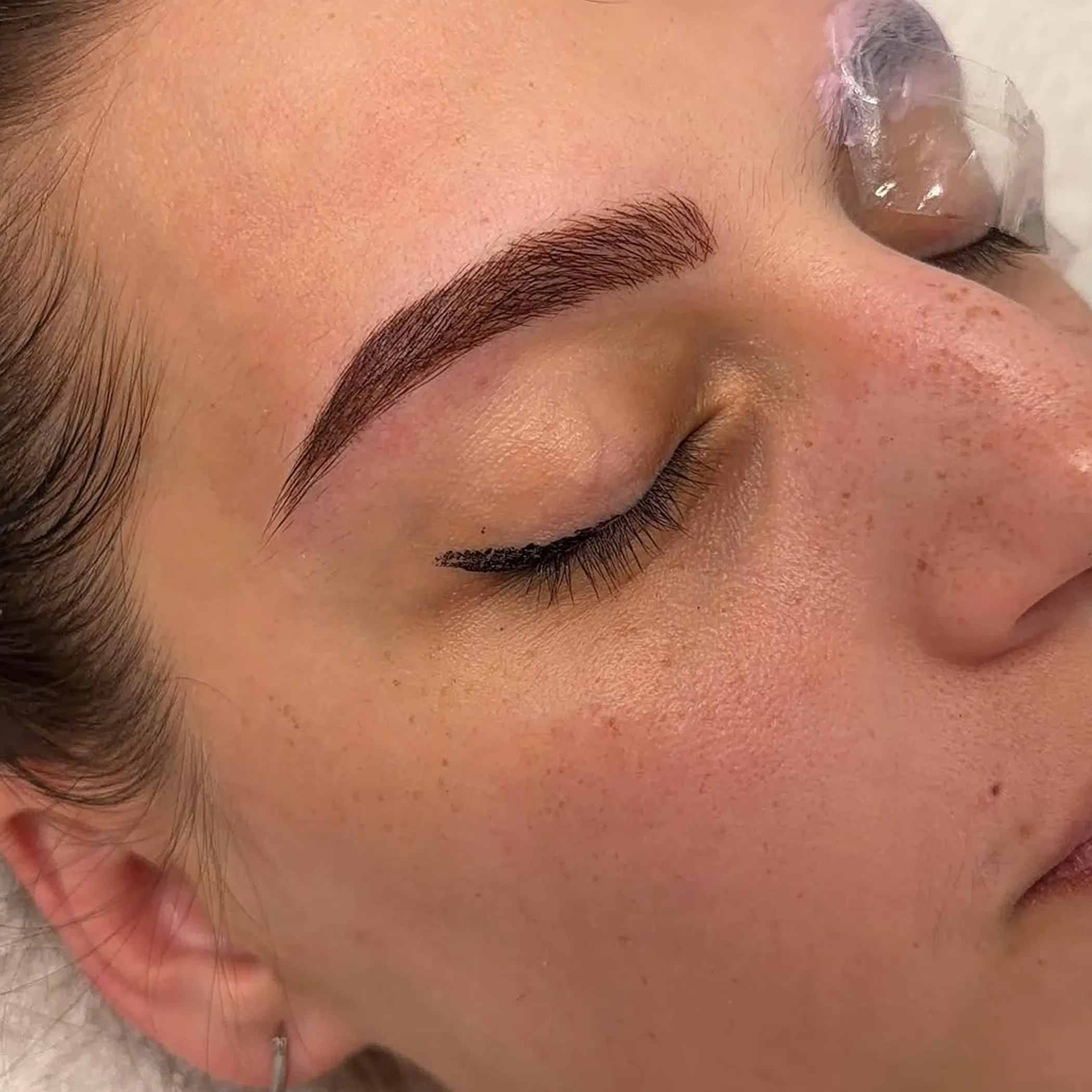
What follows are the ones we get most following cosmetic tattooing. Your qualified provider will have given you the best answer based on the treatment and the state of your skin.
What Not To Do After Permanent Makeup?
Fresh pigment is not to be put in the sun on purpose, nor should one pick at it, scratch or scrub. While the skin is healing, stay away from tanning beds and swimming as well as any unapproved skincare; do not let yourself perspire heavily either. Put sunscreen on the area of healing skin only if your provider has told you to.
Sunscreen and Microblading: When Can I Use It?
As a rule of thumb, 10 to 14 days is sufficient for the skin to heal completely but check with your technician. Should the area be open, peeling or in any way tender or irritated, hold off and put in a request for some personal guidance.
Is Sun Exposure All Right After Eyebrow Microblading?
While your brows are mending you will want to limit it. Make use of shade and a wide-brimmed hat, no deliberate tanning. A broad-spectrum SPF 30 or 50+ can be used once they have healed, reapplying as you would normally.
Aftercare For Permanent Makeup
Your provider will have given you instructions on keeping things clean; follow them. No picking, keep the sun off it and stick to approved products in the healing period. When the skin has settled, sensible UV protection in the form of hats and sunscreen will go some way to stave off fading.
Will Sunscreen Alone Stop Fading?
Not really. It is an aid but aftercare for permanent makeup in Australia entails more than that. You will find useful protection in sunglasses, a good hat and some shade, and by forgoing the tanning bed and long spells in direct sunlight. The fact is the cosmetic tattoo pigment will soften of its own accord with time.
A Matter Of Protection
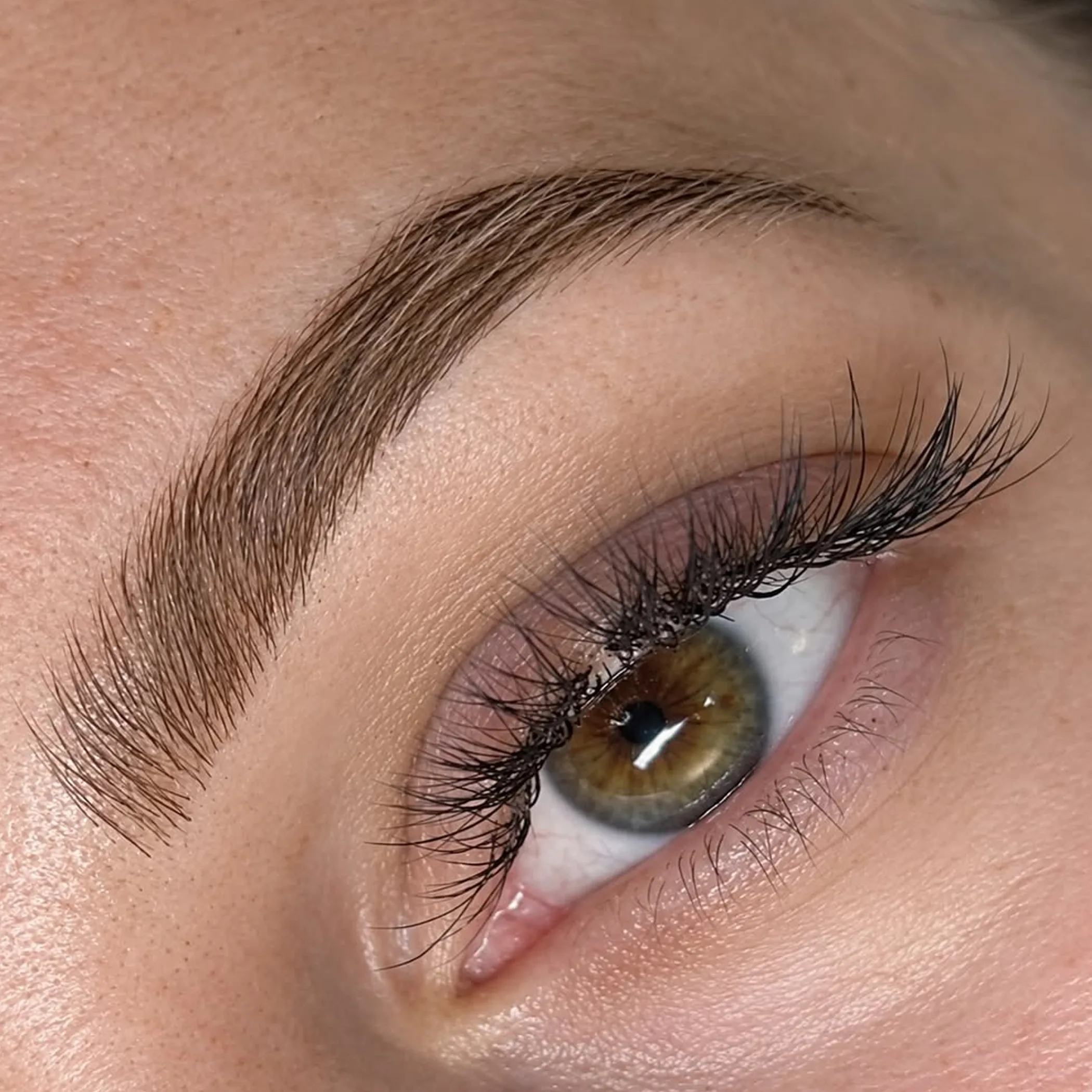
There is a simple answer: see that the fresh pigment is shielded from the sun while it heals, apply your broad-spectrum SPF 30 or 50+ (with the hat and sunglasses) once the skin is done healing.
It is an approach that will serve you whether you are on a tram in Melbourne, a dusty outback track or in the middle of a Cairns summer. Permanent makeup is there to take the hassle out of the morning, not to have you fretting in the car park. Follow what your provider says, make it part of life and let the Australian sun have less say in the matter.
