The first rule of Sun Protection Essentials Australia is a straightforward one: put on several layers of defence once the UV Index is 3 or more. That means a broad-spectrum SPF 50+ sunscreen, a wide-brimmed hat, sunglasses with UV protection, covering any bare skin and making use of the shade to avoid the worst of the UV hours. Do not be led to believe by a label that any one product will see you through three hours at the pool side.
I am Declan Ashby. One learns after years out of doors on Queensland’s tropical coast that sun protection is most likely to be undone by minor lapses. You will find people who have let the back of their ear go, or put on a hat with a brim the size of a postage stamp, or think a cloudy day gives them licence to forgo it altogether. What follows is a guide to sensible sun protection for the whole family, be it at the beach or a footy oval, on a bush track or over a lunch break.
Why The UV In An Australian Summer Is Of Concern
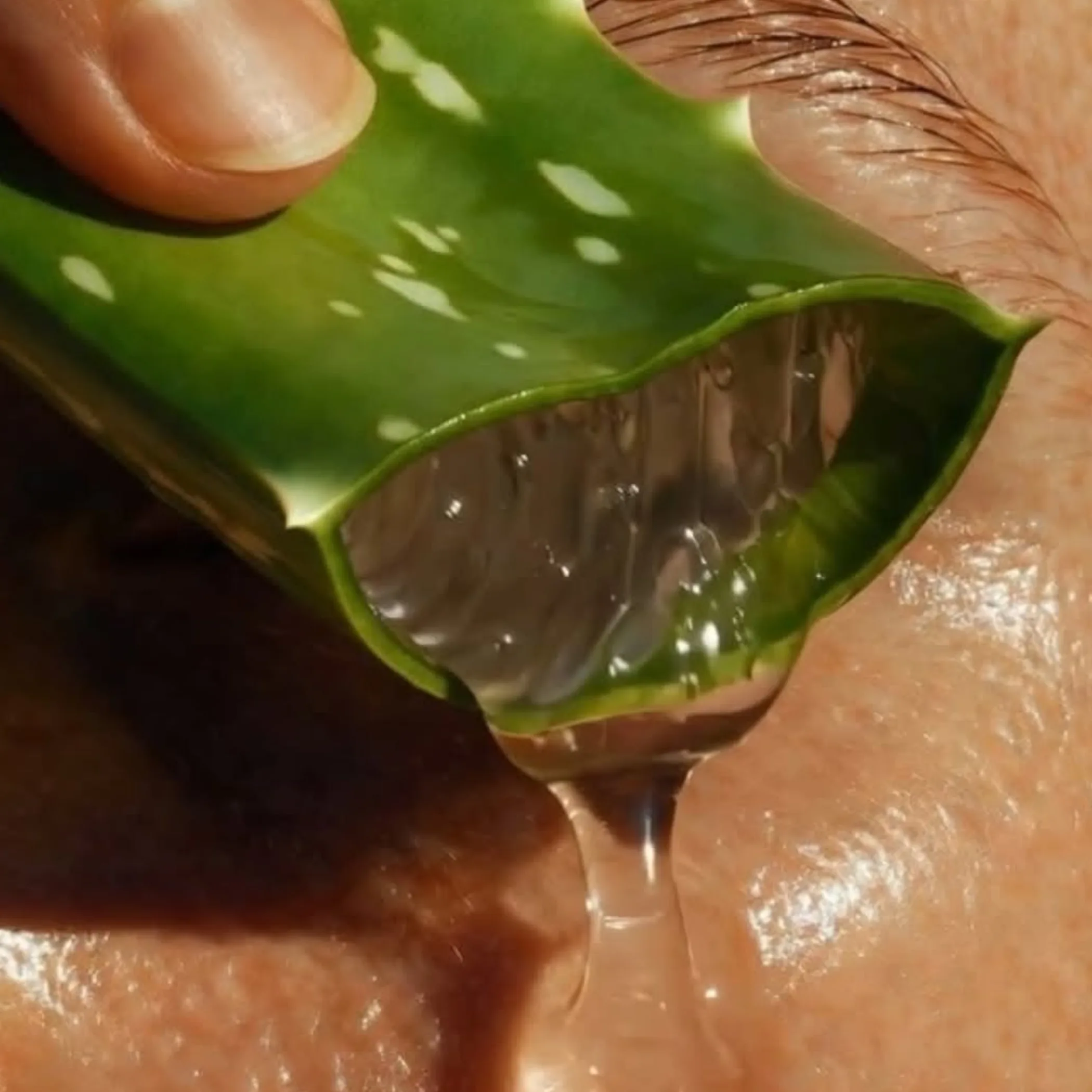
You can have long days outdoors with heat, reflective surfaces and potent ultraviolet radiation in these parts. UVA will come through some cloud and is a factor in premature ageing of the skin; UVB is what causes sunburn and direct damage. Both are to be considered in the prevention of skin cancer. This makes heatproof complexion care especially important.
The Bureau of Meteorology has the forecasts and observations on the UV Index, which is the measure of sunburn-causing radiation, and ARPANSA (the Australian Radiation Protection and Nuclear Safety Agency) can tell you how it impacts your health. But when the index is 3 plus, put on your protection regardless of how grey the sky is or how mild the air.
It is not just something for the beach. There is UV to be had driving with an arm out the window, mowing the lawn, on your way to work or while the children are at sport. And while sand, concrete and water will reflect the radiation, shade is no force field.
Start With The UV Index
A good way to plan your day’s recreation or outdoor labour is to consult the UV Index first. The Bureau of Meteorology has the figures for conditions throughout Australia.
| UV Index | Practical Meaning | What To Do |
|---|---|---|
| 0–2 | Low risk for the majority | Normal precautions, if you are outside for long or near reflective surfaces. |
| 3–5 | Moderate to high | Put on the hat, sunglasses, shade and sunscreen. |
| 6–7 | High | Shield all exposed areas and get out of the direct sun. |
| 8–10 | Very high | If you can, put off any strenuous activity and employ multiple layers of protection. |
| 11+ | Extreme | Strict measures and no unnecessary time in the sun. |
On The Subject Of SPF 50+
For an Australian summer you want a broad-spectrum SPF 50+ that is right for your skin and the amount you are prepared to put on. “Broad-spectrum” is the term for a product that will stand up to UVA as well as UVB; the latter is what the SPF number is really about so it is not the complete picture.
Make it water resistant for sport or a swim but do not confuse the two. It will rub off on your hands, your towel and your gear. On clean dry skin apply it liberally some 20 minutes prior to going out and again every couple of hours, or straight away after you have been in the water or towelled down.
Do Not Neglect The Obvious
One sees seasoned outdoor types who have their nose covered but leave their shoulders like a pair of angry tomatoes. The face and arms get the attention but the hairline, eyelids, part in the hair, neck, ears and the backs of hands and ankles are overlooked. Have someone put some on your upper back.
Those with sensitive skin should try a fragrance-free option on a patch of skin before venturing out for the day. Should it sting or bring on a rash, discontinue and have a word with your doctor or dermatologist. You may have to make do with a different formulation and more clothes and shade but the protection is still required.
Clothing To Cover Up
When sweat or movement has made your sunscreen uneven, there is the reliability of sun protective clothing. Tightly woven material, UPF garments, long sleeves and longer shorts will keep some of the radiation off. In the Queensland humidity a light weight fabric is more bearable than anything heavy. Opt for colours that are not quick to show a sweat mark and go with loose-fitting, breathable fabrics. You will find a rash vest comes in handy in the water; on an open track or out on a boat, a long-sleeved shirt is worth having.
Hats And Sunglasses: Be Selective
The face, ears and neck are better shielded by a wide-brimmed hat than a cap. A cap has its place but it does not cover the sides of the neck or the ears, so one should be worn with sunscreen and other clothing to make up for it.
When it comes to sunglasses, look for UV-protective models that are a snug fit to keep side light at bay. Wraparounds are good for boating or cycling. Polarised lenses do away with glare but are not synonymous with UV protection, so read the description to be sure of the filtering. Do not mistake one for the other.
Face, Lips And Eyes
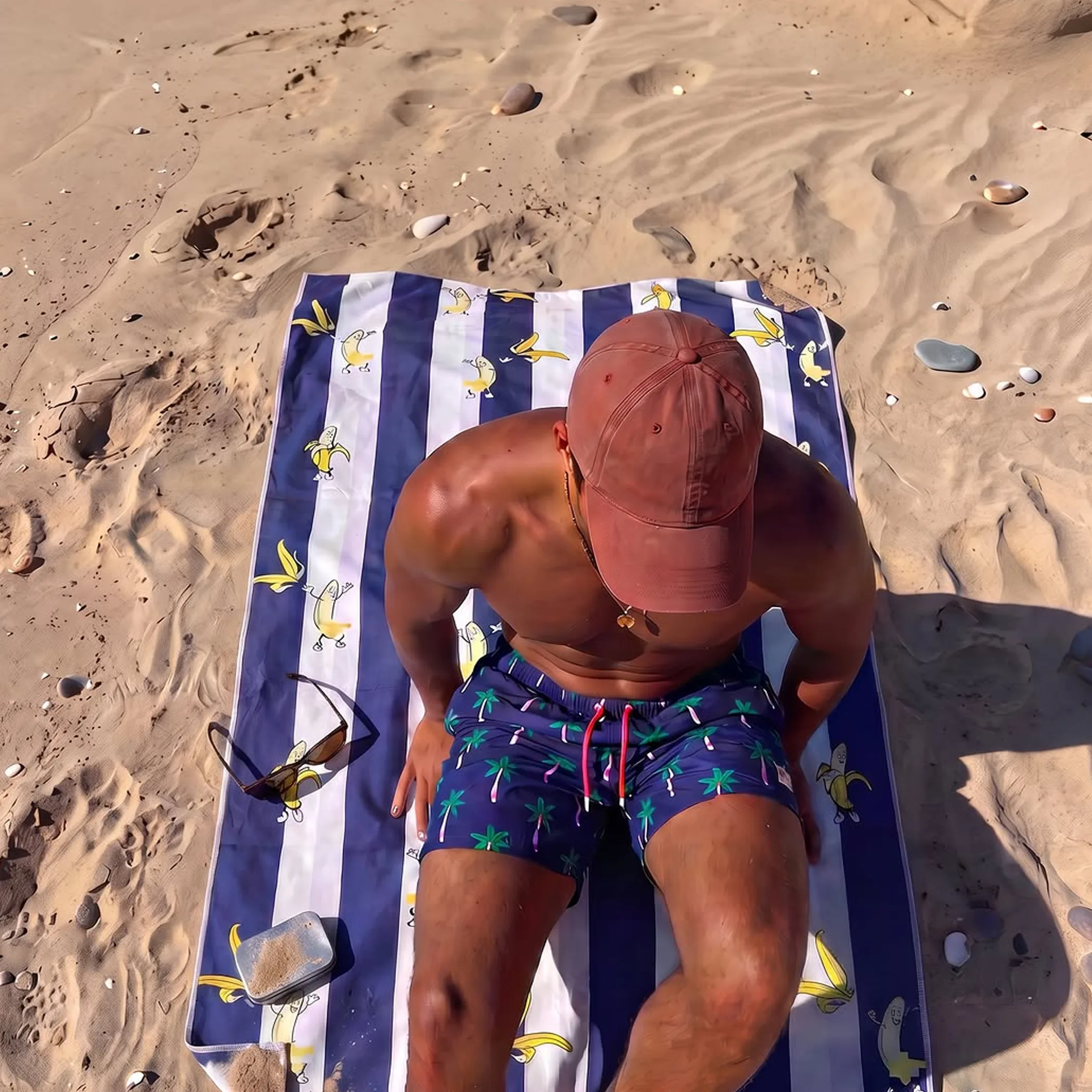
Over time the skin on the face can bear the marks of low-level exposure in the form of fine lines, dryness and pigmentation. Start any summer regimen with broad-spectrum SPF 50+ in the daytime, after you have cleansed and put on a moisturiser appropriate to your skin. If a body formula is too heavy or is irritating, use one intended for the face. In the course of a long day outdoors reapply to the face, being mindful of the eyes; a hat and sunglasses will mean you do not need as much product there where it is apt to run with the sweat.
Lips
They are prone to burning and painful dryness from the wind and sun. Put on some lip balm with SPF and make sure to put it on again once you have had something to eat or drink, or been swimming. A brimmed hat is of some assistance but no substitute for proper lip care.
There is nothing healthy about a tan; it is simply the skin’s reaction to ultraviolet rays. While sunscreen will limit exposure if applied right, it does not render tanning safe.
UV And Your Day
You will find the UV is at its most intense in the middle of the day, though this is subject to the season, location and atmosphere. The wet season in northern Australia can be particularly hard, yet a clear day in the southern states will see high UV. Make of the temperature what you will, but consult the local UV Index.
Where you can, leave beach visits, sport and gardening for later or earlier. Should you be out in the peak hours, limit your time in the open and put on some shade, a hat and sunscreen. Bear in mind that sand and water will reflect UV onto any uncovered skin.
Put Some Shade In Your Plans
An umbrella or shelter is a must for the beach; pick a spot already in the shade and have the children covered. On a bush track you want to know where the exposed ridgelines and water are before you set off. A table in the shade of a café is nice, but if your arms and face are on show you still need your sunscreen.
Between November and April in the Top End and north Queensland one has to heed cyclone and heat warnings as well as the UV forecast. Storms and extreme heat can put paid to outdoor plans in short order, and bushfires may close walking tracks and parks in summer. See what the official alerts say first.
Sport And Water
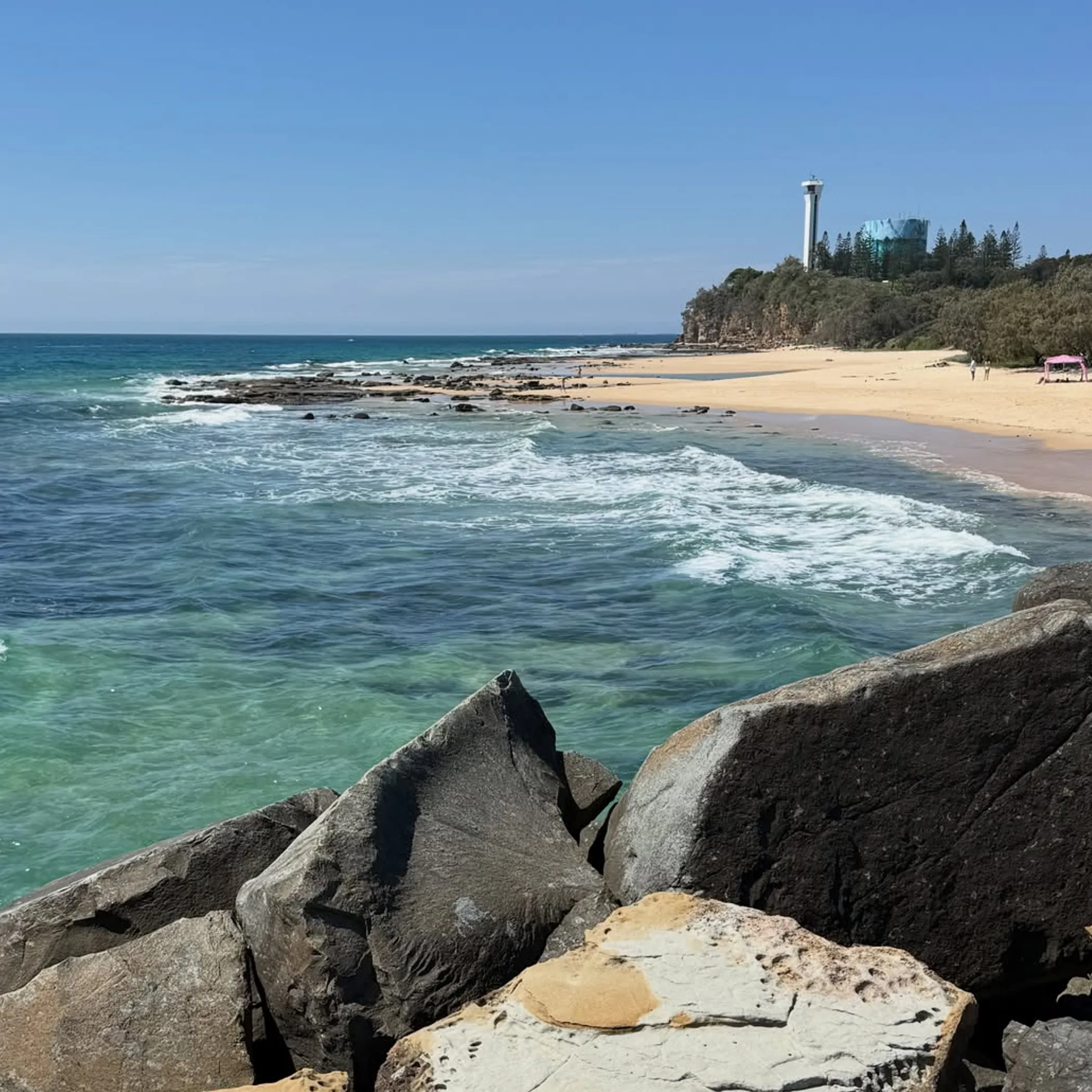
Coverage has a way of vanishing when you are boating or playing sport. A helmet, a towel, shoulder straps, sweat and all the touching will see to that before you are aware of a burn. Have a spare shirt and hat with you and don a rash vest or UPF gear. Reapply after you have been in the water or have towelled down, even if the bottle says the water-resistance is still in effect. There is no reward for making a half-empty bottle last another hour.
Keep An Outdoor Kit Handy
What you need is straightforward: a small towel, water, a long sleeve, sunglasses, a wide-brimmed hat and some SPF 50+ and lip balm. For the family take extra clothing and enough sunscreen to go round. Children in particular will require several applications on a day at the beach, so err on the side of caution.
On a protracted walk have your water and let someone know where you are going. Dizziness, nausea and weakness are signs of heat exposure. Get into the shade and cool off, drink up and call for medical attention if things get bad or you are confused.
A Summer Routine To Withstand The Heat
The key to a good heatproof complexion is not in the number of products one has on hand but in minimising overall exposure. Be gentle with the skin when cleansing off sunscreen and perspiration, put on some moisturiser if it is feeling tight and forgo any hard exfoliation on skin that is already sun-beaten or irritated. Make a habit of drinking water.
While hydration is important for the body, putting down more than your share of water will not undo UV damage. Have water to hand when out of doors and make time for a cool down, especially in humid weather or where there are older folk and children about.
Sunburn: Keep Your Cool
Cooling and comfort are what after-sun care is all about. Get out from under the sun, have a cool shower or put a damp cloth to the skin, drink up and if a plain moisturiser is soothing, use it. Do not be tempted to pick at peeling skin or pop blisters, nor put anything irritating on damaged skin.
Then there is the matter of medical attention. Extensive blistering, a fever, vomiting or confusion, severe pain, signs of dehydration or a burn to the face or genitals are no way to treat a weekend souvenir; they are a medical issue. The same goes for a very young child with sunburn.
Where People Go Wrong With Protection
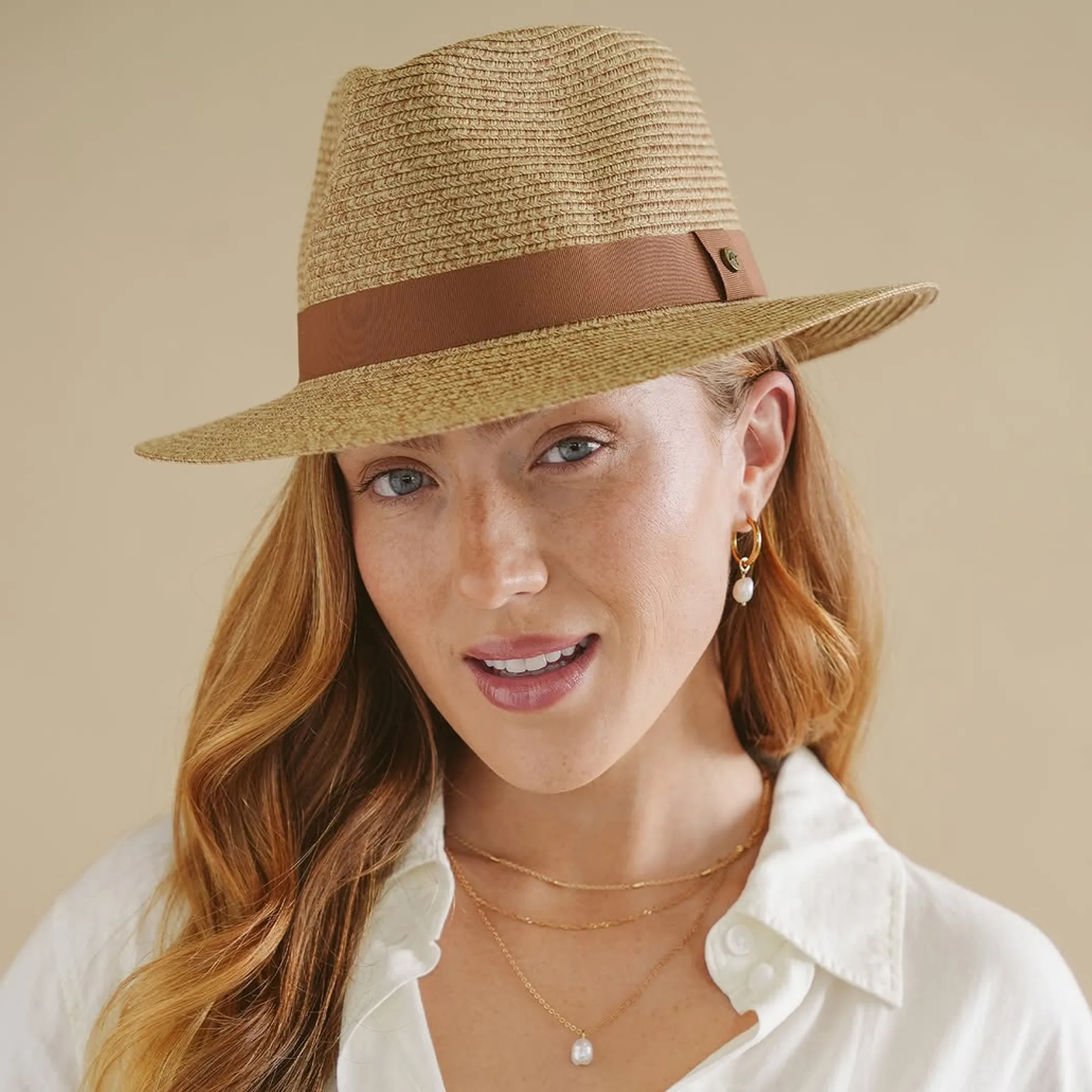
It is common knowledge that you need sunscreen. Yet people are tripped up by a lack of consistency or timing, or the notion that one form of protection is enough for every eventuality. They will put on a thin layer of sunscreen and consider themselves covered, or bide their time in the open until the skin is hot before looking for shade. Ears, neck, hands, lips, feet and hairline are often an afterthought. Some think a bit of cloud cover or a cool wind negates the UV risk, or that a hat and some shade can stand in for sunscreen on exposed skin. Then there is the old bottle left to bake in the car, the product ruined by the heat. And reapplying after a swim or towelling off is frequently overlooked.
- Applying too little sunscreen and treating a thin smear as complete coverage.
- Waiting until the skin feels hot before seeking shade.
- Forgetting the ears, neck, hands, lips, feet and hairline.
- Assuming clouds, wind or cool temperatures remove UV risk.
- Using a hat or shade as a replacement for sunscreen on exposed skin.
- Failing to reapply after swimming, sweating or towelling.
- Keeping old sunscreen in a hot car, where heat can damage the product.
Comfort is not to be confused with safety either. A sea breeze may take the edge off the intensity of the sun, or humidity make one’s clothes feel like too much. But adjust as you will, do not dispense with the layers of protection.
For The Family And Children
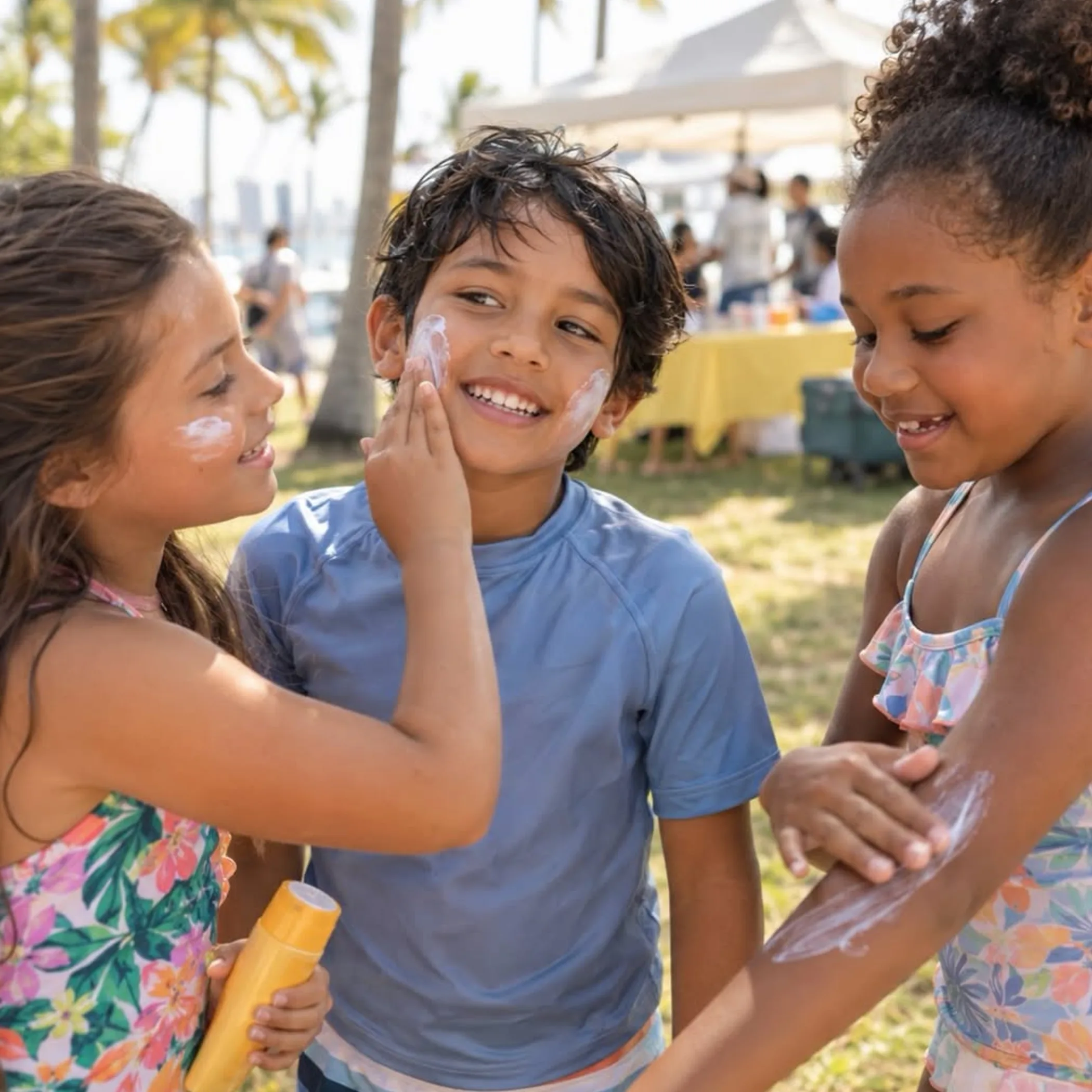
Children are prone to sunburn without realising it given how much they are running about and in the water, so practical protection is called for. Put them in the shade and in sun protective clothing with a broad-brimmed hat and sunglasses if they will have them, and apply sunscreen to any skin showing. Do it before you go out and keep an eye on them for any rubbing or uncovered spots. Babies and the very young should be shielded from direct sun. And never put a child in a parked car for even a moment, do not count on a window to keep the heat down.
A Checklist For The Family
- Check the local UV Index and weather alerts before leaving.
- Pack SPF 50+ sunscreen, lip balm with SPF, hats and sunglasses.
- Dress children in lightweight clothing that covers shoulders, back and legs.
- Plan shade and cooling breaks around peak UV hours.
- Reapply sunscreen after swimming, sweating or towelling.
- Check skin at the end of the day for redness, blisters or irritation.
On a one-day trip, stick to the basics of shade, clothing and water and leave the rest. If a child is under the weather or the heat is getting to him, stay away from exposed activities. Some routes with little water or shade and hard access to help are not for beginners or young ones.
FAQs
What follows are the sort of questions I get asked in relation to the Australian summer. The answers are straightforward, though you would want to consult a professional for individual skin issues or a bad burn.
Best SPF for these conditions?
A broad-spectrum SPF 50+ applied in good measure and put on again at least twice an hour or after you have been in the water. It is only as good as the rest of your approach, which should include a hat, sunglasses and so on.
When to reapply?
Every two hours if you are out of doors. Or more often with vigorous sport, heavy rubbing or after a towel. Water resistance is not permanent and will not stop a towel from wiping it off.
Strongest UV?
Midday for the most part, but it is location and season dependent. Do not just look at the clock, check the UV Index. In summer it is best to put off strenuous outdoor pursuits to a more convenient hour.
In the shade?
You can still get burnt. The shade will not block all UV, particularly off concrete, sand or water. So long as you have exposed skin you should have your sunscreen and other accoutrements on.
Cloudy days?
If the UV Index is 3 or more, yes. Clouds might cut the visible light but UVA and UVB are still there. Check the forecast before you go for a long walk or hit the road.
Making It Second Nature
There is no miracle product to be had in Australia, the essentials are simple habits you put in place each day: check the UV, put on the SPF 50+, cover up, use the shade and look after your eyes and lips.
I am Declan Ashby and I would rather have a decent hat and a well stocked day bag and a break in the shade than have to deal with a peeling nose afterwards. The summer sun here is fine if you show it the respect due. Get your protection in order before going out and you will be glad of it when the weather is rough as guts.
