2026 Australia island trip planning from the US: visa, cost, flights and itinerary tips.
The way to make an Australia island trip from the US in 2026 is to think of it as a regional affair rather than some grand island-hopping exercise. Pick your one or two island regions, factor in the weather and ferry schedules, and be realistic about how long you will be here and the domestic flying involved. I am Declan Ashby; having put reef visitors through their paces near Cairns over the years, I can tell you a sound itinerary is one that accommodates for the weather, sore legs and the odd thong that goes missing.
Ten days or so up to two weeks is what most US travellers find sensible. It is also worth checking when to visit US islands in 2026 before fixing dates. Make your way to Sydney, Brisbane or Melbourne and on to the Whitsundays, K’gari, Rottnest or Kangaroo Island. If you have three weeks you can put together two regions and not be in an airport lounge for half the holiday. What follows is my guide to 2026 travel in Australia, with advice on entry, transport, seasonal matters, costs and the sort of errors people make.
First Things First: Plan Your Holiday

You might be tempted by the photograph but the first thing to decide is how much ground you want to cover after an intercontinental flight. The map can be deceiving in a country of 7.7 million square kilometres; a short line there can be a day’s travelling.
Your style of travel and the climate will dictate where you go. A day cycling around Rottnest from Perth is not the same as a wildlife itinerary on Kangaroo Island or making for the reef at Cairns.
What Kind Of Traveller Are You?
For a family Hamilton Island is hard to beat, the transfers and accommodation are all very straightforward. Those with a diver or snorkeller in tow will like Cairns for its access to the Great Barrier Reef, Moore or Lizard Island. Adelaide and Kangaroo Island for the food and wildlife; Airlie Beach if you want to put a Whitsunday trip together and be on the beach. There is no point in putting every well known island on the list. You end up with an itinerary as full as a sardine tin and more time with your luggage than in the water. One region, an add-on if you like.
Visas And The Like
An Australian ETA is called for by US passport holders for tourism purposes though the rules and eligibility can be subject to change. I would apply via the official Government site and run the Department of Home Affairs requirements by you before you leave. See that your details and passport are in order as per the visa guidance. And get travel insurance in place before parting with money for non-refundable ferries or pricey tours.
Make Allowance For Fatigue
You can get to Australia on a direct or one-stop flight from New York, Chicago, L.A. or Dallas-Fort Worth depending on the season and airline. Qantas is the big name but others will have connecting services. Look at the whole journey and baggage policy, not just the price tag.
Landing and then being on a dawn ferry is not a good idea. Between jet lag, immigration and any delay with your bags you will be scrabbling for a connection. Put in a night in the city you arrive in before you head off to the islands, especially with kids or diving gear in tow.
A Word On Customs
They are serious about biosecurity here. Be upfront at the border with any plant or animal products, food or outdoor equipment. Give your hiking boots and dive kit a clean down prior to the flight. It is less of a hassle and far cheaper than a fine to have to justify a muddy tent to an officer.
Where To Go From Your Arrival City
To avoid backtracking, link your initial island to the closest port or regional airport and wind up in a city with good international connections. The pairings in the table are what I would suggest for a 2026 itinerary. They are estimates; do not hold me to them if the weather or roadworks have other ideas.
| Arrival / Connection City | Island Region | How you get there | Best suited to |
|---|---|---|---|
| Cairns | Fitzroy, Lizard, the Great Barrier Reef | By plane or ferry | Reef day tours, diving |
| Brisbane | K’gari, the Whitsundays | Coach, ferry or a domestic hop | 4WD, sailing and the beach |
| Adelaide | Kangaroo Island | Regional flight, or the Cape Jervis ferry | National parks, food and wildlife |
| Melbourne | Phillip Island | Day tour, drive or coach | A quick escape for wildlife |
| Perth | Rottnest | Ferry out of Fremantle, Hillarys or Perth | An unpretentious day on the island |
| Sydney | Norfolk Island | Domestic | History and to be had at a slower pace |
Pick An Island Region
In the end the choice of island comes down to what you intend to do once you are there. An island can be ideal for the independent sort of traveller, or it may call for a day tour, local guide or an accommodation package.
Whitsundays: to get to the Reef
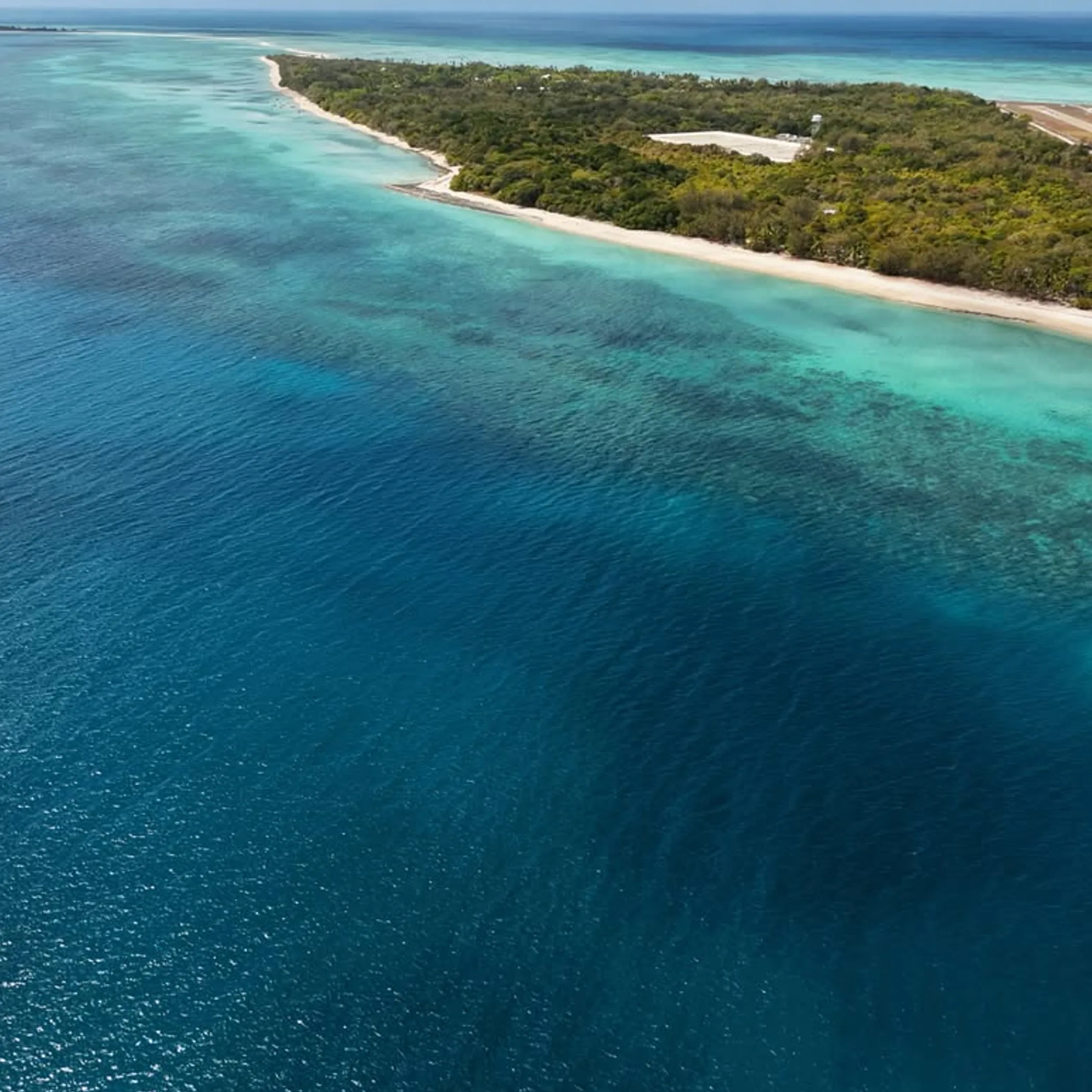
Those in search of the Great Barrier Reef and warm water for some sailing and snorkelling will find the Whitsunday Islands to their liking. Hamilton Island puts an airport and no end of accommodation at your disposal; on the mainland Airlie Beach is where one goes for budget prices and regular day tours.
Then there is the matter of what you expect versus what is. The water is often first rate but wind has a way of scuppering boat plans and making a beach day less agreeable. On the water the sun is no joke even with a mild breeze, so put on reef-safe protection and heed the operator. Dehydration is not to be underplayed. In the warmer months stinger precautions are in order.
K’gari: 4WD country
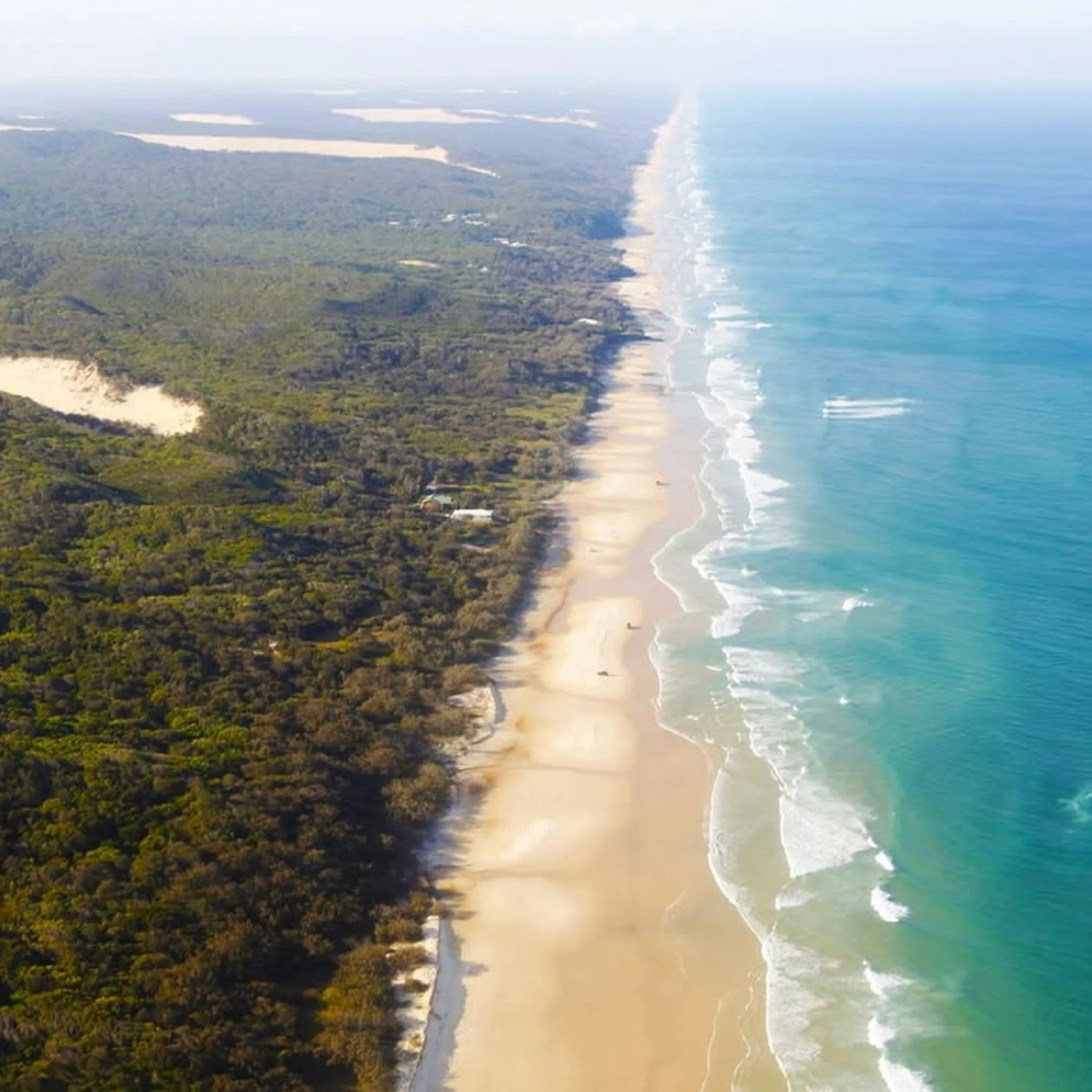
A trip to Fraser Island, or K’gari as it is now called, calls for some forethought. There are coastal drives, wildlife and sandy tracks here along with freshwater lakes, but do not make of it a casual hire-car excursion. You will want a 4WD that is up to the task and an appreciation of the tides and beach conditions.
If you are a novice behind the wheel, a guided tour is preferable to putting down a 4WD. One does not want soft sand and washouts to result in a rescue bill that is anything but cheap when recovery is hard to come by. And as for dingoes, they are wild: do not feed them, have children in tow and observe the safety rules of the locality.
Wildlife on Kangaroo Island
For national parks, a walk on the coast and good local produce, Kangaroo Island is well worth it. It is accessible by ferry from Cape Jervis or by air, though you should factor in the transfer from Adelaide and look into vehicle policies prior to booking.
Do not be deceived by appearances, road distances and the odd animal crossing will put a drag on your speed. After dark there is more risk with kangaroos and the like about the roads. A day trip is fine but three nights is better value if you intend to see the parks and have a few food stops.
Rottnest and Phillip Island
To round out a Perth schedule Rottnest Island is easily done. Ferries run from Perth, Fremantle and Hillarys and many will cycle around. Put in an early booking for bikes in the busy times and take water with you; a sunny day is no excuse to forgo sun protection.
Melbourne-based travellers looking for a no-fuss wildlife escape will be content on Phillip Island. An overnight stay is advisable to avoid the rush back after the evening viewing, but a day trip is feasible. Just be respectful of the animals and stick to park directives.
Put together an itinerary with some give
Frequent domestic flights are one thing, but a missed connection can have repercussions for a check-in or a ferry hours away. So leave some room in your Australia island hopping plans.
The following are based on normal circumstances and doing your own booking. During school holidays or cyclone season, or when the weather is likely to be disruptive, put in an extra night.
One region in ten days
After getting in to Sydney or Brisbane put in two nights, then make your way to the Whitsundays via a flight to Hamilton or over to Airlie Beach. Four nights there will cover a reef day tour and a more leisurely day of sailing or being on the beach. Two in Brisbane before you fly out.
For a single day’s island time, Fitzroy Island from Cairns, or Rottnest from Perth and Phillip Island from Melbourne are the least complicated. K’gari and Kangaroo Island are not suited to one day unless you are prepared to be up at the crack of dawn and have little time to spare.
Two regions over two weeks
You might allot four nights each to the Whitsundays and K’gari and three to Sydney, with two buffer nights in between in Brisbane or wherever you depart from. That way you can have your 4WD and reef without deluding yourself as to the size of the country. Or go with Adelaide, Kangaroo Island and Phillip Island from Melbourne for those whose interests lie in walking and food rather than tropical pursuits.
A gentler pace for three weeks
Five nights apiece in the general vicinity of Sydney, Cairns and Kangaroo Island will work, allowing for transit. You could also pair Perth and Rottnest with Adelaide and Kangaroo Island, provided you have checked the domestic flights before parting with any deposits.
You do not need more than three weeks to get some depth, and it is no excuse to put every coast on the itinerary. Make sure there is a day or so of flexibility in your schedule prior to an international flight. An inconvenience is one thing when a regional plane is running late; a very costly lesson is what you have if that delay means you are left behind at an international departure.
Island Hopping in Australia: Do It Safely
One will find domestic flights, ferries, cars, coaches and day tours are all part of the mix. There is seldom a straightforward ferry network that has all the well known islands covered, so treat each region’s transport as you plan it.
Qantas, Virgin Australia and Jetstar will have you on a domestic route but be aware their rules on changes and baggage are not the same. And at a regional airport you may encounter limited facilities, fewer services and the odd weather disruption. Check your final transport to where you are staying, the airport code and how your baggage is to be transferred.
Ferries and Road Transfers
If you are on a popular route or travelling with a car over school holidays, put in for ferry tickets in advance. Be there with time to spare for check-in and to load the vehicle and go over the safety brief. Put your travel papers, valuables, any medication and swimwear in a day bag, not down in the boot.
Driving on the mainland, do not trust the map for timing. You will be making stops for photographs, meals, roadworks, wildlife and fuel and they will eat into your day. Out in the remote parts, top up the tank if you can and let someone know where you are going. A city-to-ferry transfer is not the same as the preparation called for on the Stuart Highway or Gibb River Road.
Dates and the Seasons
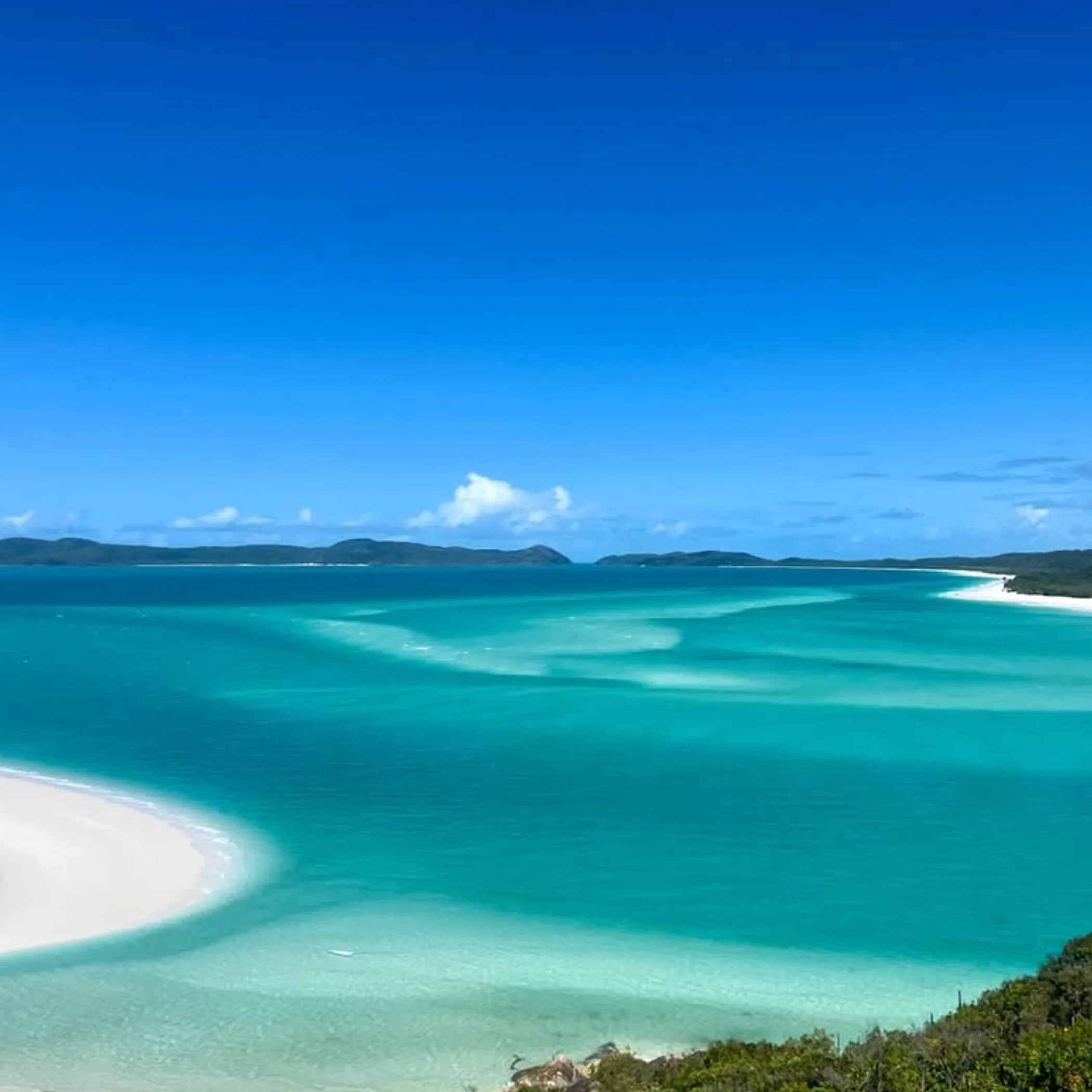
Australia’s climate zones are too diverse for any one answer on when to see US islands in 2026. The north in summer is apt to have cyclone alerts, bushfire closures, humidity and heat; in winter Cairns could be just right yet Melbourne and Tasmania are cool.
In the tropical north the wet season means you are looking at storms, rough seas, a lot of rain and tour schedules in flux. The dry season is more dependable for being out of doors but you will pay for the privilege with higher prices and demand. Down south spring and autumn make for pleasant walking, if only for a while.
Let the Weather Dictate Your Activities
Do not pick the month that looks best in the brochures for a trip to the Whitsundays or Cairns, go by the marine conditions you are willing to put up with. Have a look at the Bureau of Meteorology and what operators are saying before heading to the reef. Should a tour be called off on safety grounds, reschedule or take your refund, the ocean is not going to be swayed by your colour-coded spreadsheet.
Tides will govern access and driving on the beach at K’gari. Wind and rain can put a damper on viewing wildlife at Kangaroo or Phillip Island. On Rottnest the heat will make cycling less of a pleasure unless you are early and have enough water.
A Budget for the Trip
How much you put aside for Australia will hinge on the type of room, island transfers, dining out and which season you fly. Expect the heft of the bill to come from accommodation, car hire or ferries, the reef and wildlife tours and both your international and domestic airfares.
It is wise for a US traveller to work out the cost in AUD first and then apply the exchange rate. For planning purposes a budget room might be in the order of AUD 60-150 per head a night, mid-range closer to 180-350 and you can be out more than 500 for a premium resort. These are not set in stone for 2026. Then add in some leeway for luggage fees, national park charges, fuel, meals and the like. Transport aside a day on the beach is cheap, a reef tour will run you several hundred dollars.
Reservations
For peak dry-season and school holiday dates you should be booking your international flights and the better island accommodation months in advance. Once the core of your route is settled, reserve the 4WDs, ferries and the rest of your tours. Pick a place to stay that has sensible access to the terminal or airport and whose cancellation policy is plainly stated. A transfer “close to town” can come at a price on an island. Make sure to peruse the arrival details and put in a call about late check-in while you are still on the mainland.
A Simple Planning Checklist
- Verify your passport is in order, see if you qualify for an Australian ETA, put travel insurance in place and make note of any biosecurity rules.
- Pick an island region to be your focus and have a look at the tides, climate, fire closures and cyclone warnings.
- Be sure to leave yourself a night to recover from the international leg of the journey and some leeway before heading back.
- Do the numbers on domestic flights, ferries and regional airport transfers; also factor in vehicle access and baggage restrictions.
- In your pack there should be reef-safe sun block, insect repellent, closed shoes, a light layer for rain and a water bottle you can refill.
Common Island Mistakes To Steer Clear Of
The error most make is to think of travel time as nothing more than empty space. With all the check-in, airport and ferry waiting and collecting your bags, a two-hour flight will easily turn into five. Defer to the next day for anything that requires effort.
Then there is the notion that an island is right for everyone. K’gari is no place for those who do not want to putter over rough sand in a car or on a bike. And if you require a good restaurant selection, reliable mobile service or regular medical attention, a remote island will not do.
Families would do well to look into child-seat regulations, the lay of the land at their accommodation and what the swimming is like. Those with mobility issues should enquire of operators as to toilet facilities, walking surfaces, beach access and boarding ramps prior to making a booking. Anyone with a medical condition needs to have medication to hand and know how far off the island the nearest care is.
FAQs
What is the best island in Australia?
You will not find a one-size-fits-all answer. Go to Hamilton Island or the Whitsundays to get out on the reef, Kangaroo Island for the food and wildlife, Rottnest for a simple day out of Perth or Phillip Island to escape Melbourne. For a 4WD adventure under guidance, head to K’gari.
Three weeks, how much will it set you back?
For a couple we would say anywhere from AUD 6,000 to 12,000 is a reasonable starting point, though this does not include getting to Australia and will vary with your choice of tours and where you stay. A premium resort or private guide and the like will add considerably to the bill. Work out the cost of your major bookings in AUD and put aside something for a change in the weather or transport.
Put together an Australia itinerary
Two regions will suffice for a first-timer. Sydney and then the Whitsundays is a sound option, as is Melbourne with Phillip and Kangaroo Island. Only make the extra flight to Cairns if you have the time for a reef day that is at the mercy of the weather.
How many days do I need?
One island region is done in ten days. Two weeks is ample for two adjoining ones, three for a more leisurely pace with a spare day. Under seven days is better put to use in a city and its vicinity than trying to make several distant connections.
Is a car a necessity?
Not in every case. You can manage without on Hamilton or Rottnest or on an organised reef excursion. But for Kangaroo Island a car or small-group tour makes things simpler and on K’gari you will want a 4WD. Before you take the keys, review the hire terms, road conditions and what the insurance does not cover.
Making The Journey Work
An itinerary for 2026 is not judged by the number of pins on a map. It is one where you have the time to put in to get to the island, acclimatising to the climate and the local fauna, and to make the most of the day even when the sea has a mind of its own.
Start with the city of arrival, keep the regions to a minimum, confirm your entry and in AUD budget accordingly. Put a buffer on the last day so as not to make a relay race of your US holiday to Australia. Travel light, be croc-wise and if the schedule goes awry, have the inclination to boil the billy.
