So what is the best time of year to put in the miles between Melbourne to Adelaide in 2026? Autumn would be your first choice, with spring a close second if you are after a short answer. March through May has a way of pleasing most travellers; you get mild going, decent daylight and road conditions that are more to be relied on, all without the summer crowds or having to put up with the heat at every turn.
Spring is a contender as well, should you prefer the cooler coastal walking and the sight of wildflowers and green paddocks. As Declan Ashby might say, autumn is the no-nonsense option for a trouble-free run from Melbourne to Adelaide, spring is the more attractive wildcard.
A Quick Answer
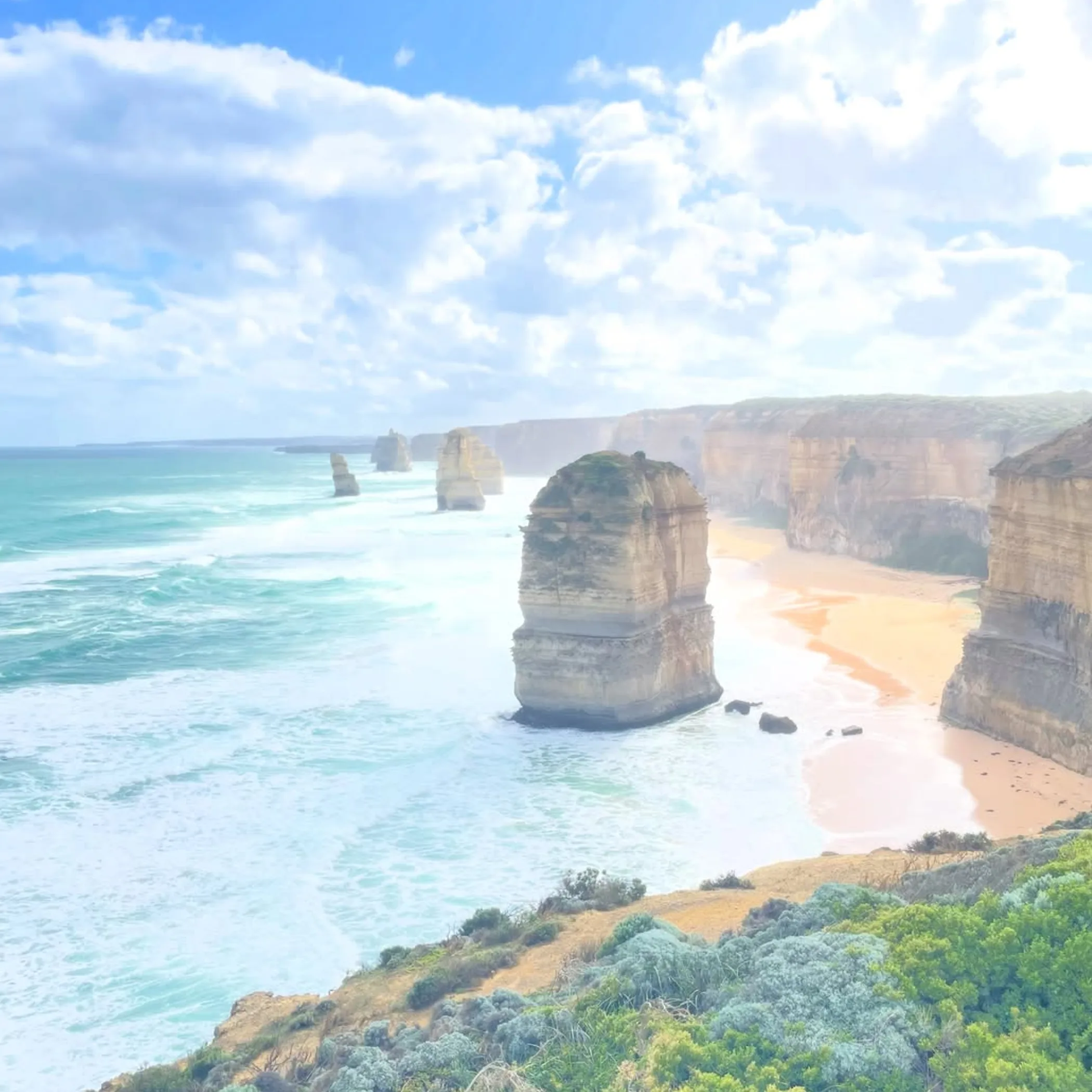
Plan for 2026 and you will find autumn is the strongest all-rounder. It is comfortable to be behind the wheel for long stretches, there is less in the way of sea mist or winter rain to bother you and you can avoid the worst of the school-holiday crush that builds up around Easter and event weekends.
Then there is spring, the shoulder season of choice for the coastal side of things. Summer is an option if you have beaches in mind but one must factor in the bushfire risk, the price of a room and the tourists. Along your journey, explore the charming towns along the way. A winter trip is for the budget conscious who can tolerate the cold and the odd wet, windy day on the Great Ocean Road when the light is fading early.
Why You Should Put Some Thought Into The Season
One does not simply throw a bag in the boot and make of it a day like this. Depending on whether you are doing a straight inland run or taking the scenic coastal route with its detours, the season dictates the whole experience. It will tell you how much you pay, where you can make a safe stop and if the drive is going to be a pleasure or rough as guts.
People are sometimes taken aback by the fact that good weather and good driving weather are two different things. A blue-sky summer day is all very well until you are fighting fatigue in the high heat, your accommodation bill is a pain and the car park is as full as a sardine tin.
Season By Season
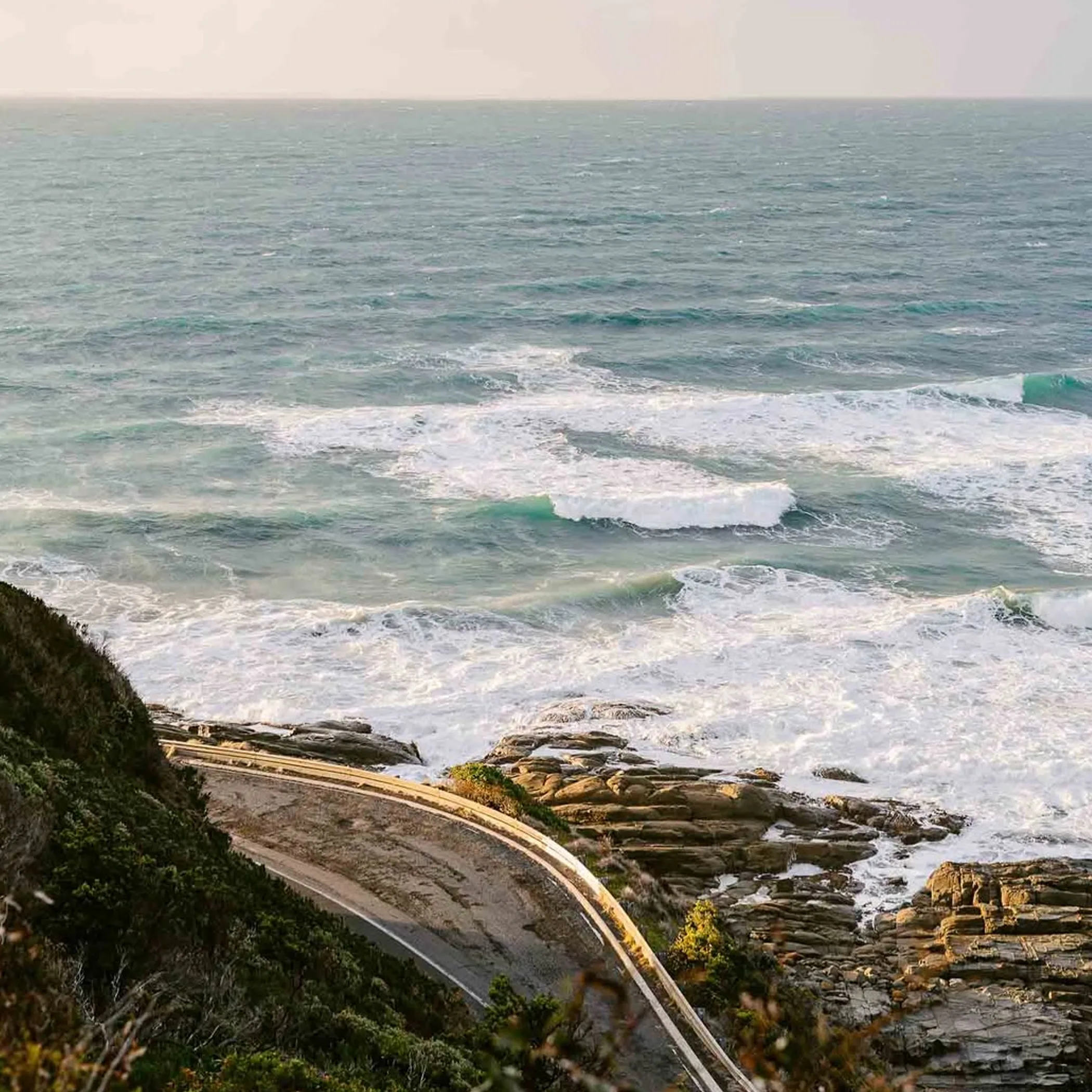
There is no one answer for everyone when it comes to road tripping from Melbourne to Adelaide, but some seasons are easier than others. It is about being realistic with your patience and budget rather than some postcard notion of the journey.
Spring For A Change Of Scenery
For the coastal route, spring (September to November) is a smart move. If you want to see the Great Ocean Road at its finest with greener surroundings and without the extremes of summer, this is the time. There is active farmland to look at and wildlife to spot at dawn and dusk, not to mention the wildflowers in places. But the weather is fickle; you may be in the sun one minute and then a crosswind is trying to push you off line on an exposed bend while a drizzle sets in.
Summer When You Want The Beach
If a proper holiday with swimming and long evenings is what you are after, December to February will do. You will find plenty of energy in Warrnambool or the Bellarine Peninsula where the families congregate.
It is also the season that requires the most effort. Between the glare, the road weariness, the crowds and the possibility of bushfires, it is not without its drawbacks. And rates tend to go up and availability dries up fast if you are looking to book with Apollo Camper or Britz, or even Turo.
Autumn, The Balanced Option
Most will agree that from March to May you have the best of both worlds. The roads are not so frantic once the holidays are done and the foliage has some colour to it. Food and wine types making for Coonawarra and other regions will find it a fine time to be out. You can put in the hours in the car without feeling you are being cooked and the whole affair is more of a journey than a matter of logistics.
Winter For Your Budget
From June to August a winter trip is a sound proposition, provided you are realistic about it. There is a better chance of finding room and value in motels and cabins when you are not up against a major event weekend.
Then again, the downside is plain to see. With the colder weather, wet roads, less daylight and an abundance of grey skies, the coast can be a bit of a letdown. But for those who have no objection to putting on a jacket with their morning coffee and relish a quiet road, winter is hardly a non-starter.
Weather And Daylight
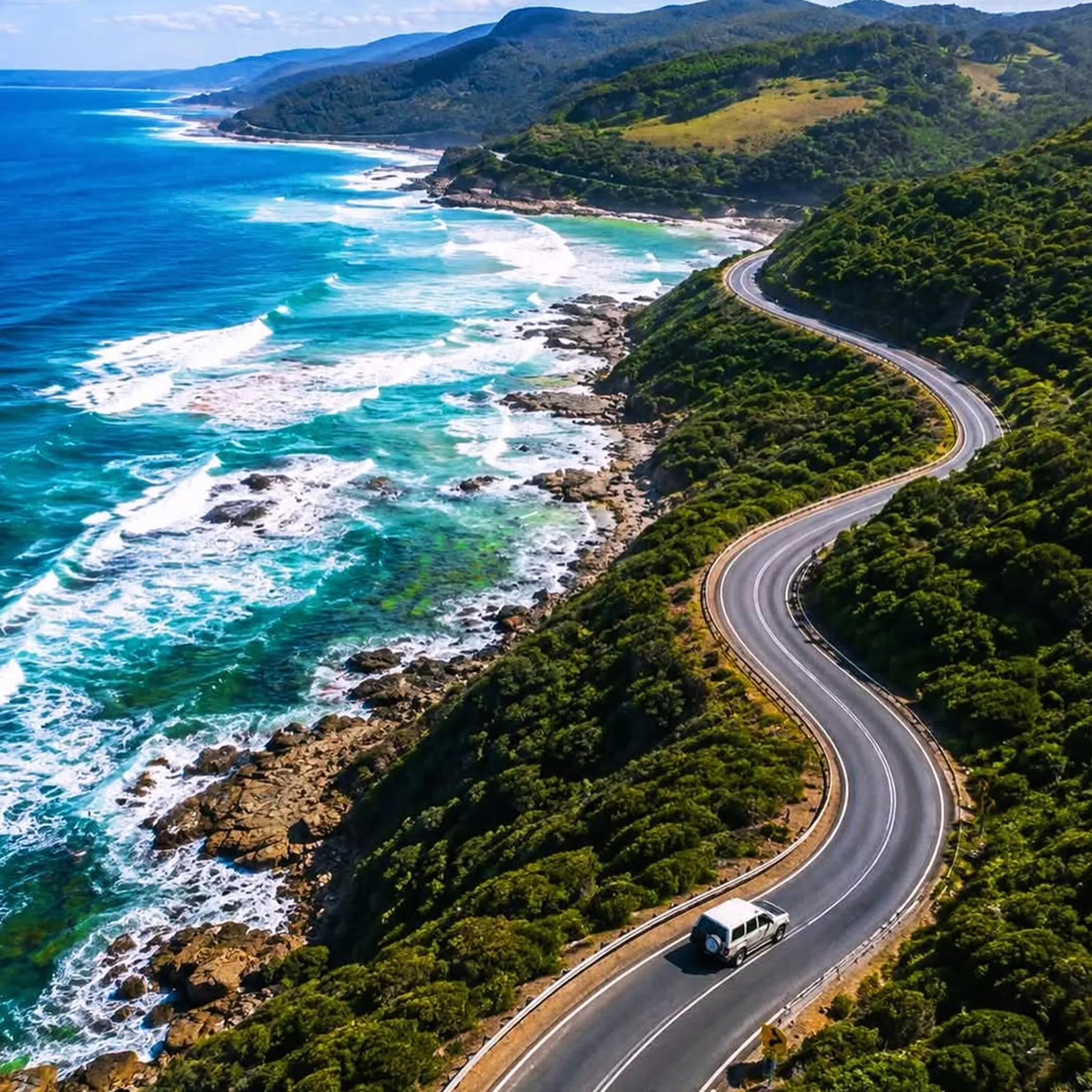
One has to consider the seasons for a Melbourne to Adelaide drive as it traverses more than one microclimate. Inland areas may be warmer but the coastal parts will be cool and windy; travellers who pack for a single forecast and end up in three different ones are made for that kind of error.
For 2026 plans, the Bureau Of Meteorology is the official source for any current marine conditions or warnings. It is worth consulting them on this route where fog, wind or fire weather can put a damper on your driving in short order.
| Season | Typical Day Feel | Driving Upside | Main Catch |
| Spring | Mild to cool, changeable | Fresh scenery, comfortable stops | Wind and patchy rain |
| Summer | Warm to hot | Longest daylight hours | Crowds, heat and fire risk |
| Autumn | Mild and steadier | Best balance of access and comfort | Prices can spike with events |
| Winter | Cool to cold, wetter | Quieter roads, lower costs | Wet conditions, shorter days |
Summer offers the most daylight which is all well and good until you find everyone else is of the same mind. Winter, by contrast, puts a limit on safe sightseeing. On the Great Ocean Road an early loss of light can make for a hasty dash back to the motel of what was supposed to be a leisurely day.
Choosing Your Route
What you make of the trip is as much down to the route as the season. The question of whether to go inland or stick to the coast between Melbourne and Adelaide is a matter of wanting some scenery and to take your time, or to be efficient and have fewer variables.
Some will say they are “doing the coast” only to discover at the halfway mark they have imposed an inland timetable on a scenic run. A pleasant outing is how these things turn sour.
Coastal Drive Timing
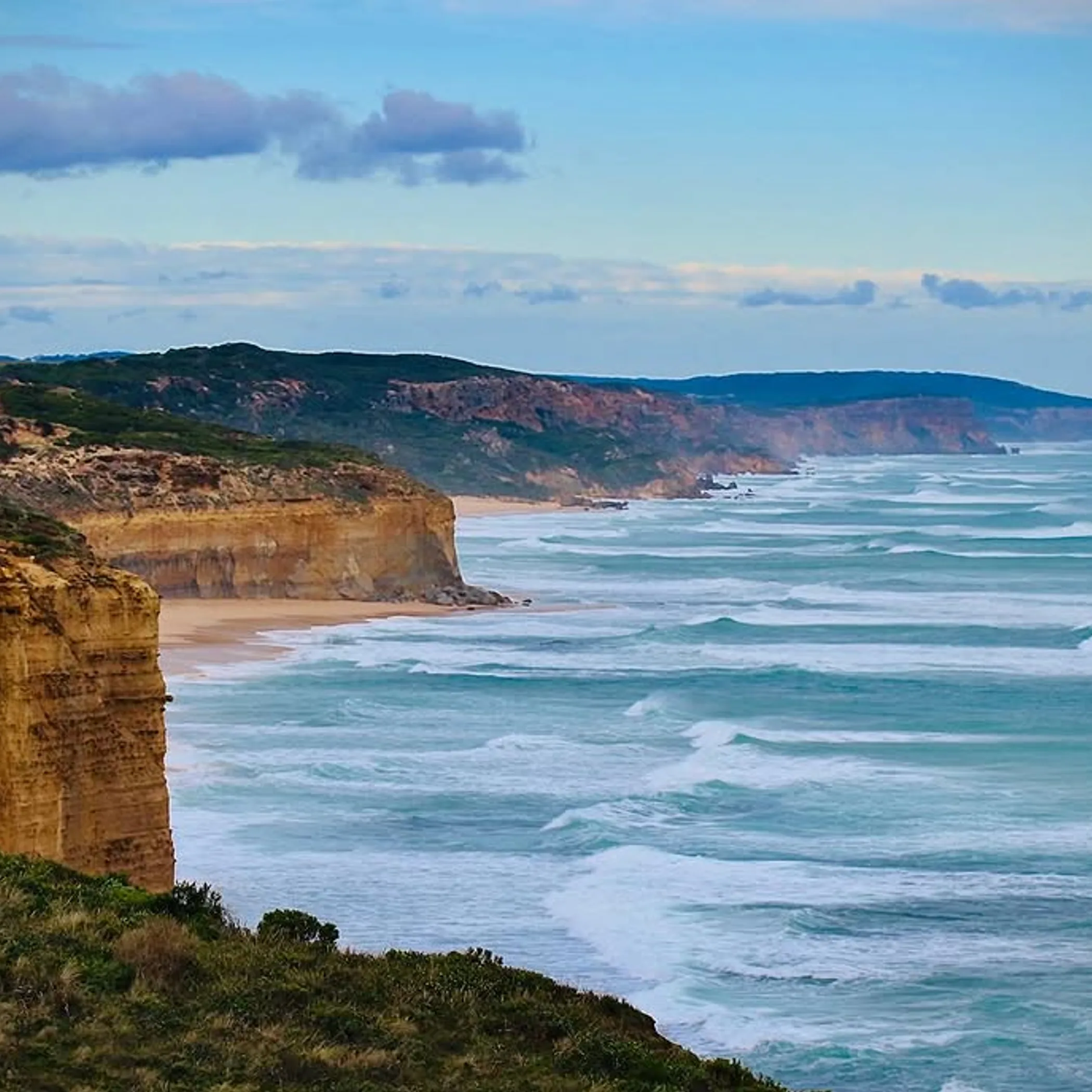
Via the Great Ocean Road the coastal way is the memorable choice, provided conditions are right. You will come across forested stretches, limestone stacks and surf beaches, plenty of cause to put in a stop or two beyond what was planned. To do it properly from Melbourne to Adelaide and actually enjoy it, put aside 3 days at a minimum, 4 or 5 would be preferable. Spring and autumn are when the route is at its best. Winter showers and low cloud can put a gloss off the lookouts, while in summer the traffic and parking at the main attractions are a nuisance.
Inland Drive Timing
The highway is flatter and more direct. For a couple of practical breaks en route from Melbourne to Adelaide it is the answer. Put in 8 to 10 hours of hard driving in decent weather and many will have made it, though that does not equate to a pleasant day of it. Factor in fuel, a meal, swapping drivers and so on and the day will be longer. If big highway days are not your thing, break it up.
Scenery And Seasonal Highlights
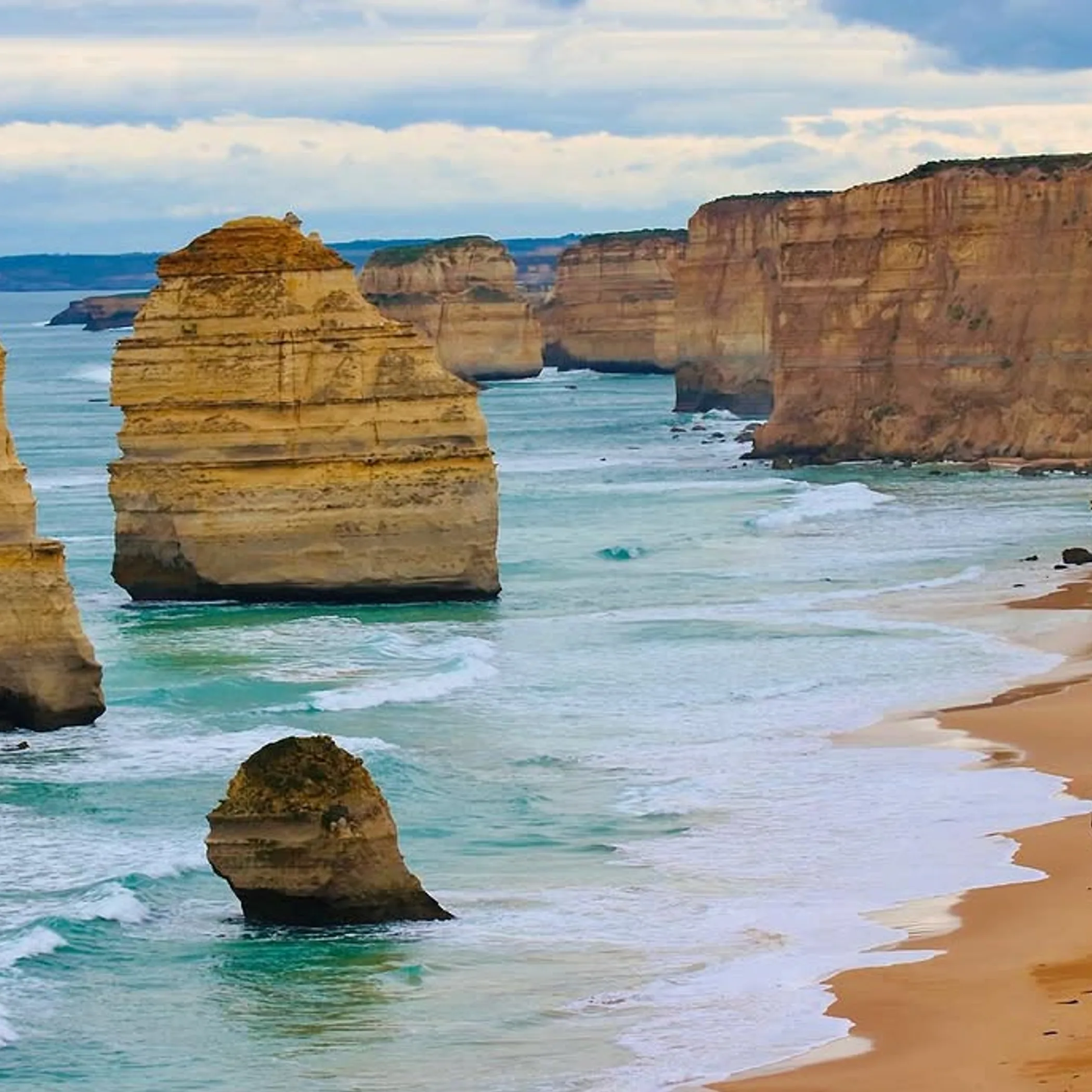
This is a trip that changes with the calendar, which is the point. Whether you are after whale-watching, beach days, vineyards or the quiet of the low season will dictate the best time to travel.
Declan Ashby would advise against trying to tick off every highlight. Set the mood for the trip and let the season handle the rest.
What You See In Spring
The whole route seems to have been put through the wash in spring, with green country and wildflowers. The Bellarine Peninsula is particularly appealing and the walking tracks are more accommodating than in the height of summer. Birdlife and colour along the roadside are there for the taking, if the weather holds. Layers are in order; a T-shirt at lunchtime and a jumper later on is par for the course.
What You Get In Autumn
A more settled affair in autumn. There is a certain satisfaction to a long lunch in the Coonawarra wine region and surrounds without the summer fuss. As for wildlife, do not think the kangaroos on the regional roads are going to vanish out of courtesy because the vineyards are looking good; dawn and dusk are still times of risk.
Stops Worth Your Time
There are no shortage of appealing towns on this route, yet you would not want to allot the same amount of time in your schedule for each one. In some you might put in a walk and have a meal; in others an overnight is called for.
The halfway mark between Adelaide and Melbourne is a matter of which way you go. A coastal drive is broken up in a different fashion than one inland, so a little forethought is advisable to spare yourself any trouble.
Recommended Stopovers
- Geelong or the Bellarine Peninsula: An agreeable place to make an early break of it and not put the pedal down from Melbourne.
- Apollo Bay: If you intend to do the Great Ocean Road by the book, make this your scenic stop or where you put in the night.
- Warrnambool: For easier pacing, food and services, hard to beat as an overnight on the coast.
- Mount Gambier: Once you are out of Victoria a good many will make for this popular and practical halfway point.
- Coonawarra: The preferred option for a more leisurely transition from inland to coast and the cellar doors.
One day is not enough to indulge any coastal pretensions, so stick to the inland route. Put in a brief Great Ocean Road excursion from Melbourne on another occasion; you will find that making a one-day run of the entire coast means you see much but get very little enjoyment from it.
Crowds, Costs And Beds
You can be surprised at what a season will cost. Summer and the big holidays have a way of straining accommodation, in the smaller coastal towns particularly where a room can be gone before you have had your second coffee of the planning session.
Then there is autumn and spring, the sweet spot for activity without the full-tilt holiday prices. Winter is often the most economical if you can put up with some of the lesser operators curtailing their hours.
| Trip Element | Lower-Cost Season | Higher-Cost Season | What To Expect |
| Accommodation | Winter | Summer | Peak holiday periods and the coastal towns will be full |
| Vehicle Hire | Winter (and some shoulder dates) | School holidays and summer | Expect Apollo Camper, Britz, Turo to be in short supply when demand is high |
| Dining And Tours | Shoulder dates in winter | Summer weekends | Advance booking is de rigueur at the well-heeled spots |
As a rule, fuel is not where travellers misjudge their spending, it is on the coffee and food. The pub lunches and “quick” forays to the bakery on a multi-day trip have a habit of adding up. You may as well concede it now rather than let the bank app tell you.
Driving Tips
It is the unexciting habits that win a road trip of this length, not some heroic effort late in the day. Over-optimistic timing, weather on the coast, wildlife in poor light and fatigue are the things to guard against.
Do not make the common error of supposing a scenic pull over is a five-minute job. Between the photos, the toilet, a cup of coffee and a bit of walking, you will notice the day has got away from you.
Practicalities to consider
- Make sure you have the latest on the weather and road conditions prior to setting off, the coast in particular.
- If you can, do not be driving in the dawn or dusk in areas thick with wildlife.
- Put fuel in the tank before a long haul, not when the warning light is on.
- More than one driver? Then plan for an overnight.
- In the larger centres parking is no problem but at a coastal lookout in peak times it can be. With a sizeable campervan you will need to be patient; a car may fit in some town centres and lookouts where anything of substance will not. Book your accommodation for an event weekend or the summer in advance.
Some Trip Lengths Are More to Be Believed
The internet will have its own idea of how long this trip should be, but in practice it is better to allow more time. A sensible plan is a matter of season and the route you put in front of you; there are ways to set some realistic parameters so as not to make the whole affair feel like a relay race.
Take the inland run: one can do it in a very long day, but most would not call it ideal. The Great Ocean Road is another story. Three days is what you need at a minimum to put in some proper stops, four or five is where it is at.
Timing for Different Kinds of Traveller
A day on the inland: an early start with little in the way of sightseeing. For the confident driver of long distances, that is fine.
Two days: Inland with an overnight at Mount Gambier is sensible. Or you could do a coast-and-transition in a hurry, something I would not put forward for those making the journey for the first time.
Three to five days: The coastal route calls for it, autumn or spring being the best times. You will have time for Warrnambool and a leisurely lunch and the odd detour without any huffing from the passenger seat.
Then there is the same-day coastal option which is no good for the uninitiated. All the pressure to be on your way when you ought to be having a rest, too many variables and things to stop you.
In the end
Autumn 2026 is the answer if you want to drive from Melbourne to Adelaide without fuss, spring is a close second. The shoulder seasons present the best all round value for your money in terms of road conditions, crowds and scenery. Head for autumn if you are making a rational choice; let your eyes decide and spring makes a compelling case. Do not put as many stops on the itinerary as you think necessary, give yourself more time than the map would have you believe and let the trip have its surprises. The good stuff is to be found there.
FAQ
Where does one put in a stop between Melbourne and Adelaide?
Apollo Bay, Warrnambool and Mount Gambier are all sound choices for the coast. On the inland side you might find Horsham or Nhill to be a practical break depending on your speed, or split the trip with an evening in Mount Gambier.
When is the best month for an Adelaide drive?
Coming from Melbourne, March and April tend to be the months of choice for their daylight and milder weather and the absence of peak summer crowds. October and November are equally good for spring scenery.
Is there a halfway point?
Many will put down Mount Gambier as the place to go for a straightforward overnight and services. Warrnambool is fine on the coastal route even if the distance does not make it an exact midpoint.
How about the Great Ocean Road?
You will want to put aside 3 days at least to avoid a slog of it. Four to five is preferable for a relaxed approach with meals and lookouts in.
Any reason to shun the summer?
It is the most difficult season to handle well. There is the heat and bushfire risk to contend with as well as the tourists and what accommodation is left, particularly on the coast. It is more for those intent on the beach than anyone after a stress free drive.
