A comparison of the wet and dry in Kakadu on everything from road access and costs to wildlife and when you should go.
A Guide to the Kakadu Wet and Dry
In the end, a Kakadu wet season vs dry season is two entirely different propositions. Go with the dry season for an untroubled plan with its cooler nights, open walking tracks and trouble-free roads. But for the magic of a good thunderhead, some dramatic waterfalls and vast floodplains with the crowds thinned out, make it the wet; just be prepared for the humidity, some unpredictability and your share of closed roads.
I am Declan Ashby and I will put this to you in plain English, not as you would read in a brochure. The National Park is big and seasonal and can be as rough as guts if you have not made the right preparations. There is no point in the swimming holes here, you need to plan around the crocs. What separates a fine trip from a frustrating one in Kakadu is largely the season. For those planning a trip, there are Kakadu adventures for all budgets available.
The Big Difference
Most Australian parks do not alter their shape over the course of a year like Kakadu does. Then there is the other season that makes of the Top End a show of storms and birds on a flood-fed landscape. One has the roads and tracks open, the other does not.
When you are weighing up the Top End’s wet against its dry, consider the latter the straightforward option for a first time around and the former a more atmospheric way to come back. One is not inherently superior to the other, they are for different types of traveller.
At A Glance
Self-drivers from Darwin will find the dry season the most direct way to go, being the less humid, cooler part of the year. You can count on the roads being open to get to the main sites and for guided activities to be running without fail.
With the wet comes the monsoon and all that entails: the heat, the storms and the localised flooding that will close some roads. What you are put out by in the way of humidity is repaid with full billabongs, a greener country and waterfalls with some force to them, and the feeling of a park in full life.
| Factor | Wet Season | Dry Season |
| Road Access | Limited in places at times | All round the best |
| Waterfalls | At their strongest | Flow off later in the season |
| Humidity | High | Not so much |
| Crowds | Down in many spots | Up, in peak winter certainly |
| Birdlife | Wetlands are excellent | Around the water sources that are drying up |
| First-Time Travellers | Needs a guide to plan | By far the easiest |
Put Some Time In
You see people do this: they put “Kakadu weather by month” into a search engine, look at a chart of temperatures and think they have access all year. They do not.
The seasons in Kakadu are a matter of practicality as much as climate. It is the difference between a sunset cruise on a billabong off a sealed road and having to reorganise before smoko because a track is shut by a floodway.
What the Wet is Like
It starts with the heat and storms and the humidity and then the heavier rain and flooding of the monsoon set in. Lush scenery and high water and the odd transport problem, along with active lightning, are what you are left with.
Do not be among those who think the wet is a non-starter. For a scenic flight or some photography or to get a cultural view of the place and its waterfalls in full flow it can be very good. Not if you require a rigid itinerary or certainty of road access to your must-dos though.
And the Dry
Logistically and physically it is less demanding. By the standards of the Top End a morning is fresh and you have longer windows for touring since you are not putting up with the storm and floodwater. So it is widely regarded as the best time to be in Kakadu and for a first visit you can see why. Mind you, towards the end of the dry a waterfall may well have slowed to a trickle, the land is harsher and in the popular haunts you are as packed in as sardines for want of a better word.
To Read The Landscape
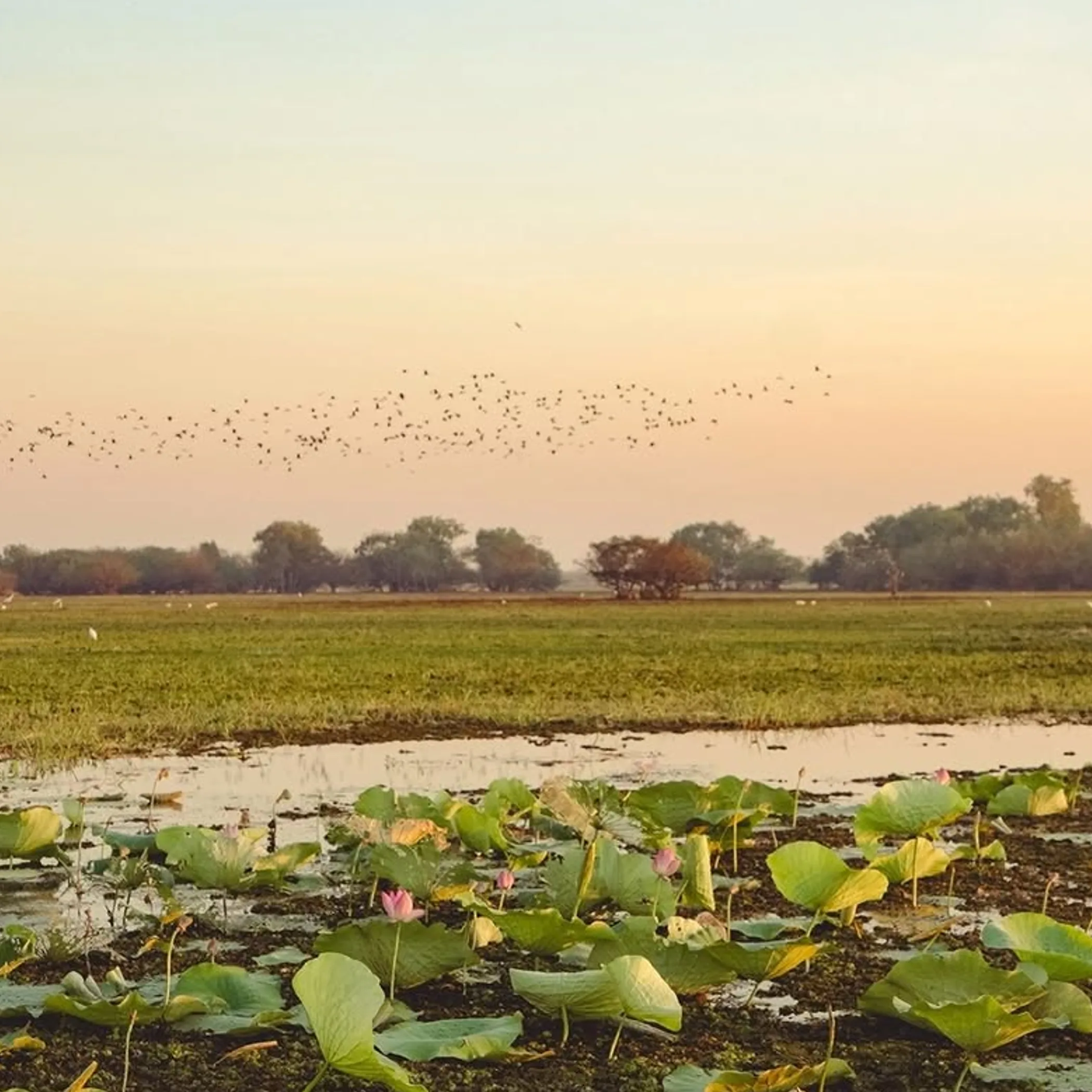
They are not only a change in the weather but in the look and feel of the park once you have parked the car. My rule is easy enough: for green country and the sound of water going over the falls, make it the wet. Want to put in some walking and have reliable access rather than be photographing a storm cell? Make it the dry.
Highlights of the Wet
The paperbark country is at its finest and the escarpments are made all the more so by the light of a storm as the floodplains run wide. A scenic flight is the answer to any access issues and puts the scale of the water before you. A wetland day trip or a flight is what I would put at the top of the list if one is short on time in the wet, as opposed to making an issue of too much road sightseeing.
Then there is the matter of expectation and reality. Folks will picture some summer rain; in fact it is often storms and heavy humidity, with the odd route change and attractions that are deceptively close on the map but you cannot get to for want of flood waters. One could say Kakadu is more of a wild, un-staged place for it.
Dry Season Highlights
Road travel is less of an undertaking in the dry. It is simple enough to put together a self-drive circuit from Darwin or Jabiru that covers the visitor centres, rock art and lookouts in a sensible way. Many make for Jim Jim and Twin Falls when park conditions allow, but be realistic about your time. What seems a short distance on paper can become a long day once you factor in corrugations, photo opportunities and the like, not to mention checks at crossings and toilet stops. City drivers do not always appreciate this.
Plan Around Access
Do not be swayed by the forecast when it comes to access in the wet season, that can dictate the trip. A fine sunny day is no use if the crossing is closed. For up to date advice, Parks Australia’s Kakadu National Park information is who you want to be looking at; their information for Kakadu National Park is the word.
The Reality of Roads and Tracks
Under normal circumstances a 3 hour run from Darwin will have you at the park boundary, yet a day of touring is seldom quick. The internal distances are considerable and you will be slowed by surface conditions, fuel and food runs, and wildlife out at dawn and dusk.
Ordinary 2WDs will manage the sealed roads in the dry, though you may need higher clearance or exercise some caution on feature access and side routes. In the wet, seasonal closures are to be expected. Do not think your weather app or confidence with a hire car is going to override a closure notice.
Flights, Tours And Transfers
There is a certain logic to taking a scenic flight in the wet. It is pricier than driving but avoids a trip that might otherwise be curtailed. Guided and flight experiences will set you back more than a self-drive, but with so much variation between operators and packages it is hard to put an honest figure on it.
For a good return on your travel budget without breaking the bank, the sensible approach is to self-drive and camp in the dry. In the wet, pick a high-value scenic activity or two and leave the rest to the tours.
Make Your Activities Fit the Season
Any good guide to Kakadu will tell you to have the day’s activity suit the season. You will see people get in a muddle by wanting wet-season waterfall action in the late dry or planning a hike they should have left for drier times. The park is good to those who time things right and has no patience for anyone who would try to push Plan A in the face of a sign saying otherwise.
Waterfalls, Walks and Wetlands
Visually the waterfalls are at their best in the wet but you may be restricted in where you can go, so you are better off viewing them from an approved vantage point or from above. Dry season makes for more practical day touring and hiking. Everyone wants to get to Jim Jim and Twin Falls but they are not for everyone. Challenging conditions can make some of the access work tiring and hard on the vehicle, and not enjoyable for the nervous driver, a novice or a family with small children.
Birdwatching and Fishing
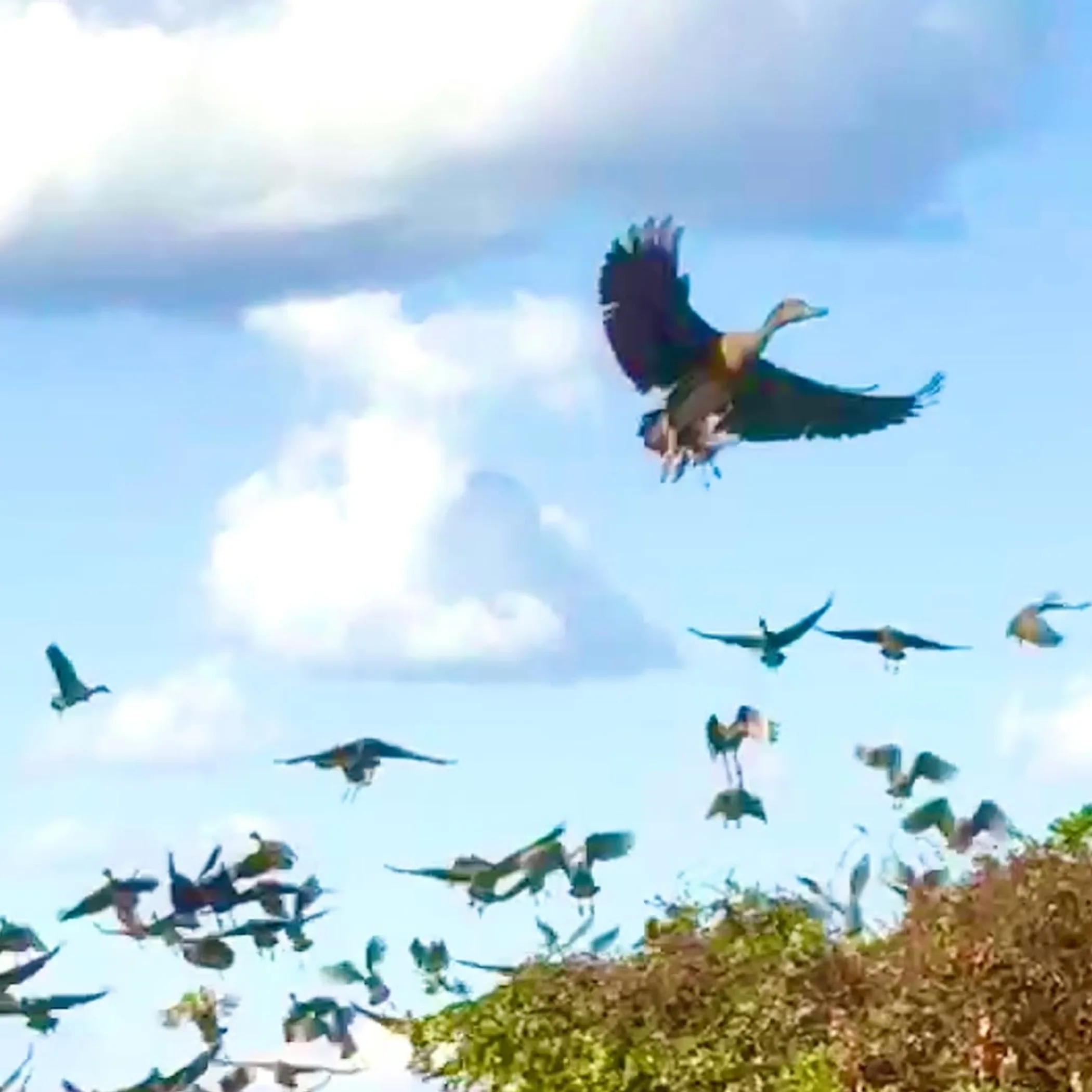
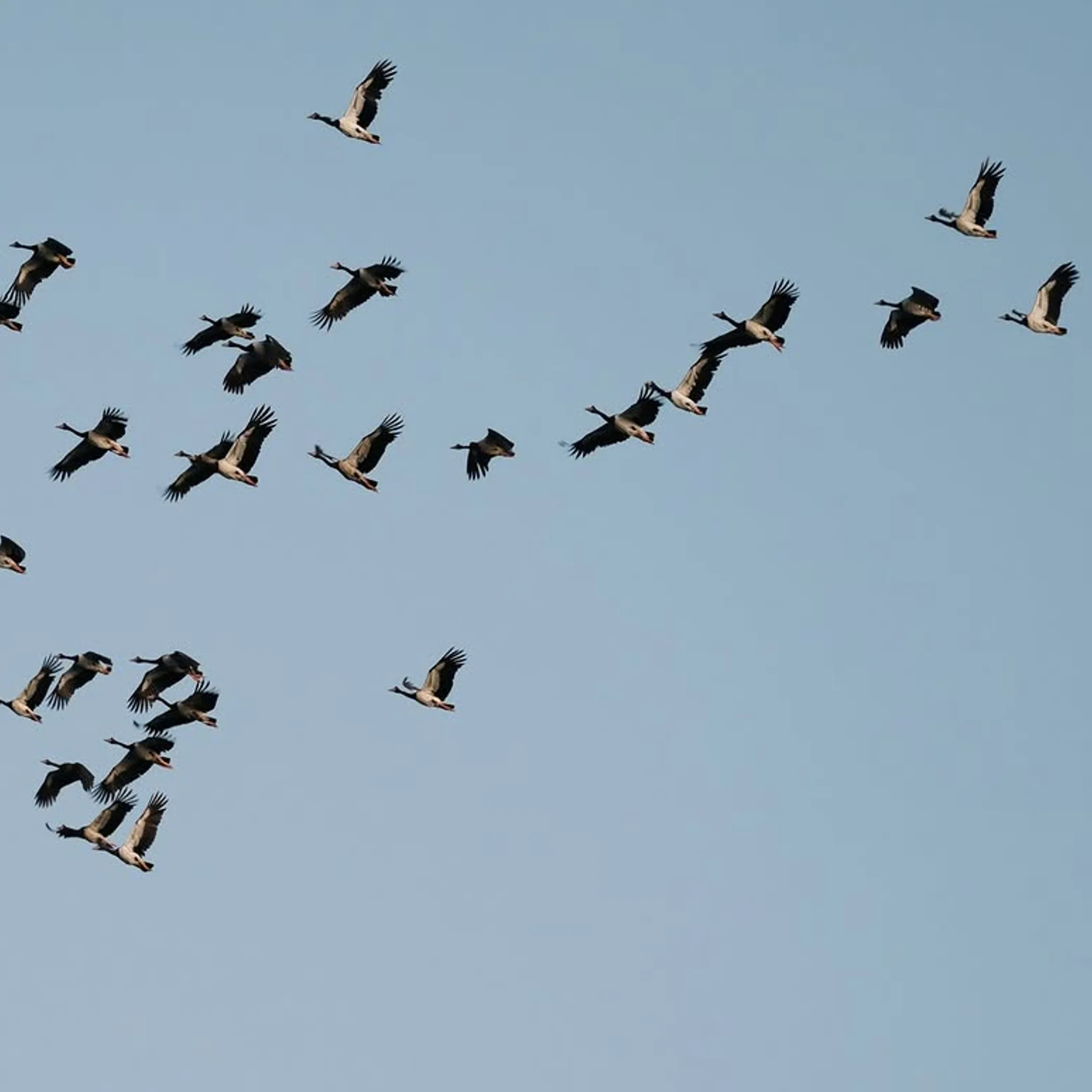
Timing is everything with the wildlife in Kakadu. While the wetland birdlife is fine throughout the year, the ebb and flow of the water will determine what and where you spot. The same can be said of the dry with its migration patterns and the life that congregates around dwindling water.
Barramundi fishing is popular but one has to be mindful of regulations and safety with saltwater crocs and the like. Unless you know your way around the Top End, a guided outing is preferable to putting some optimism in a tinnie and making it up as you go along.
The natural spectacle of Kakadu is on display all year, yet it never puts on the same show twice.
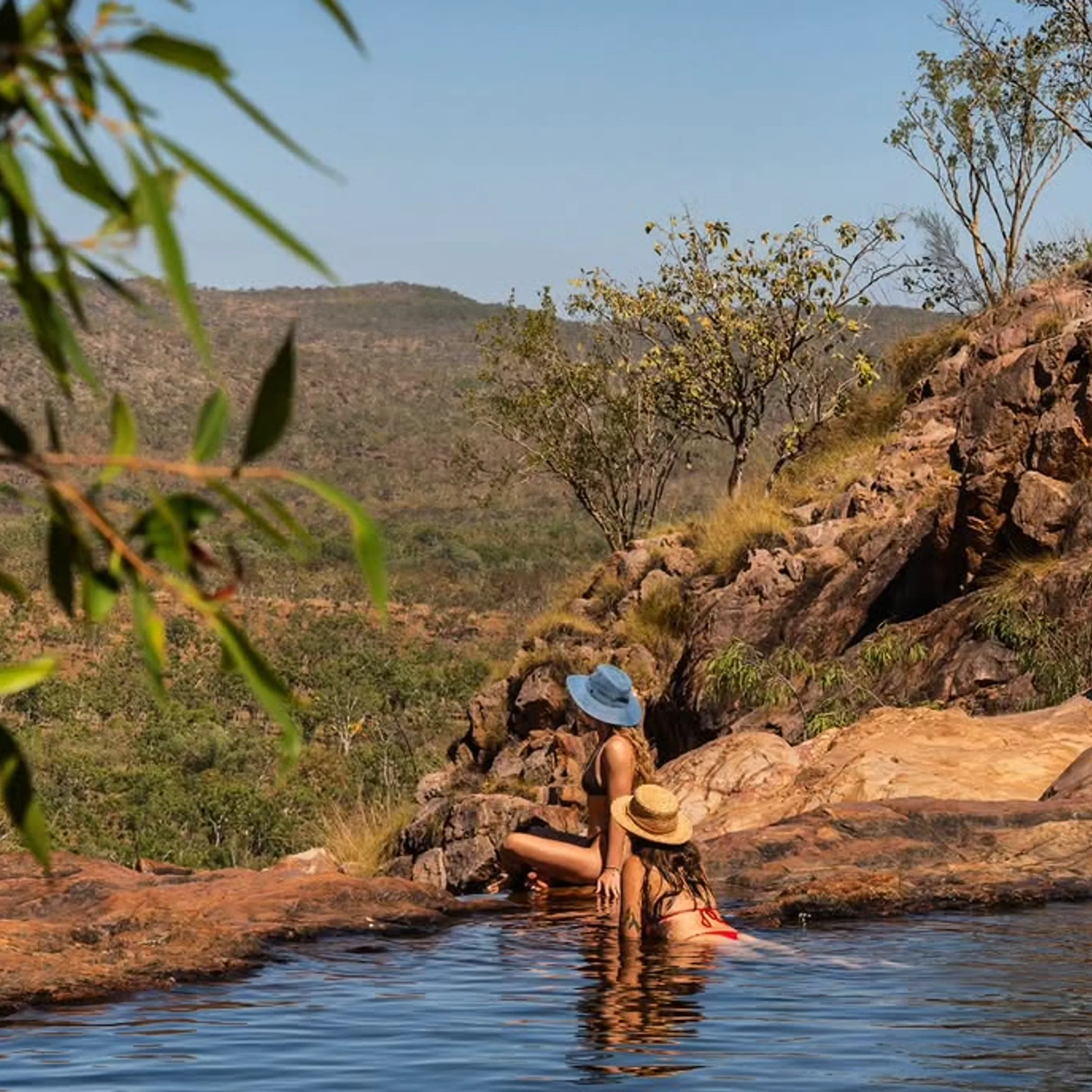
A season will have life spilling out over the floodplains and the next will see it drawn in to what water is left.
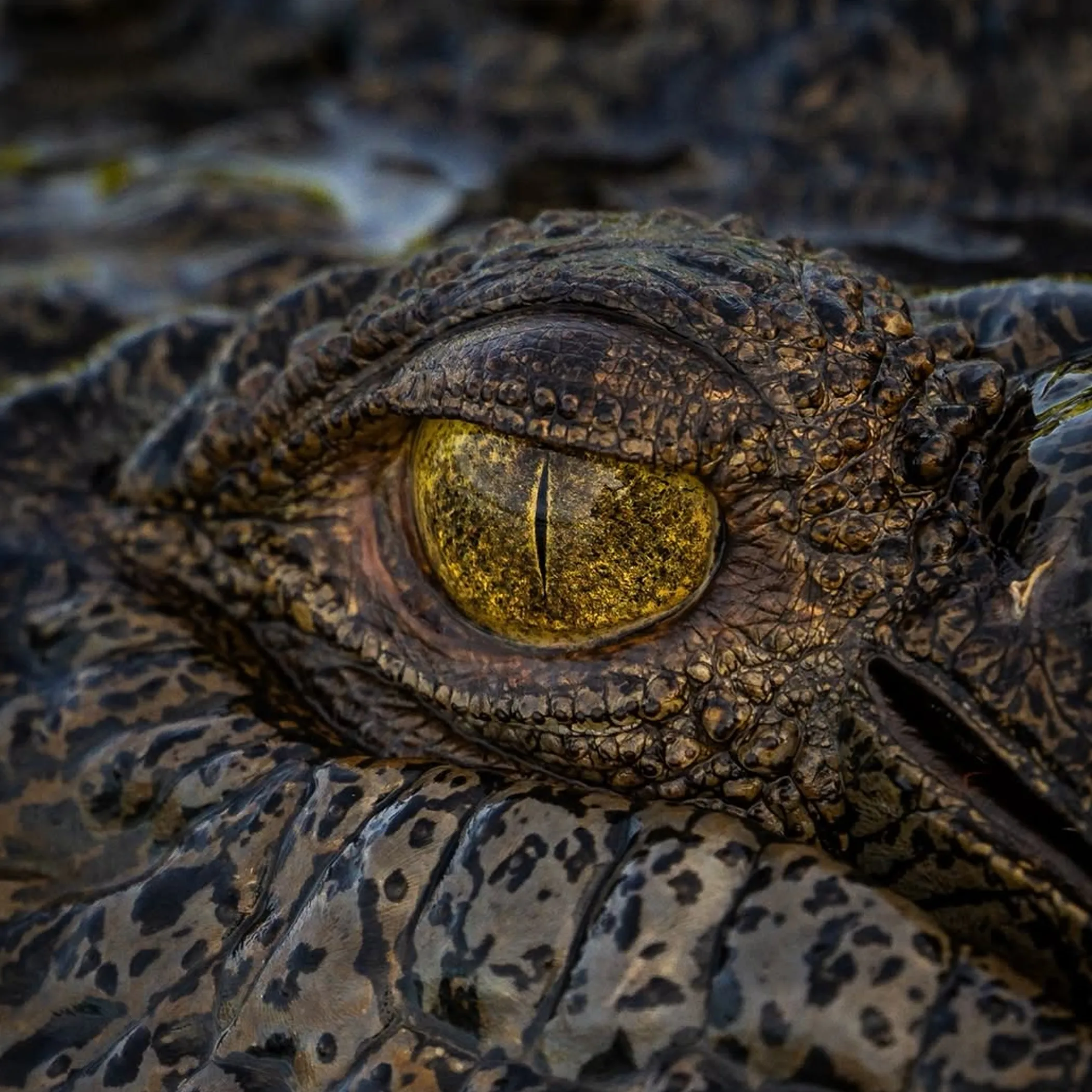
Such a turn of events will alter your perspective, dictate what ends up in the camera and how much distance you put between yourself and anything with teeth. Put simply: be croc-wise.
Birds, Reptiles And Wetlands
When the wetter times come, there is an air of movement and expanse to the park’s wetlands. A birdwatcher will tell you that the fresh growth and open water give a feeling of plenty, even if some places are harder to get to.
In the dry it is the reverse; with the water more contained, one can spot animals in familiar haunts with greater ease. This makes for better viewing but popular ground with wildlife also has more people on it. And saltwater crocodiles are a hazard regardless of the season. There is no room for any “just a quick paddle” type of romanticism.
Respect Country And Conditions
To call Kakadu a national park is not the whole story. It is living Country, informed by the Bininj/Mungguy way of knowing things well before anyone made a road trip playlist.
An Indigenous calendar of six seasons tells you more about the landscape than a wet or dry dichotomy. You will not appreciate the like of Gudjewg or Yekke if you only see two seasons at work.
Six Seasons Matter
That calendar is why change in Kakadu can be uneven and swift. The Country does not just go from wet to dry at the flick of a switch. There are stages to it as wind, storms, the plants and water and the animals make their shifts.
So the “best month” for a traveller is not a matter of the thermometer. It is down to the roads, fire management, heat stress, insects and what you are after in the park.
Safety That Actually Matters
Forget the glamour of it. Dehydration, the long drive, poor shoes, storm exposure and a failure to heed closure signs or judge a crocodile’s territory are what cause problems, not some dramatic tale. If it is marked closed or unsafe, the matter is settled.
Then there is the fact that cyclone alerts in northern Australia during the wet can have repercussions for your accommodation or a tour company even if the map says otherwise where you are.
Pack For The Conditions
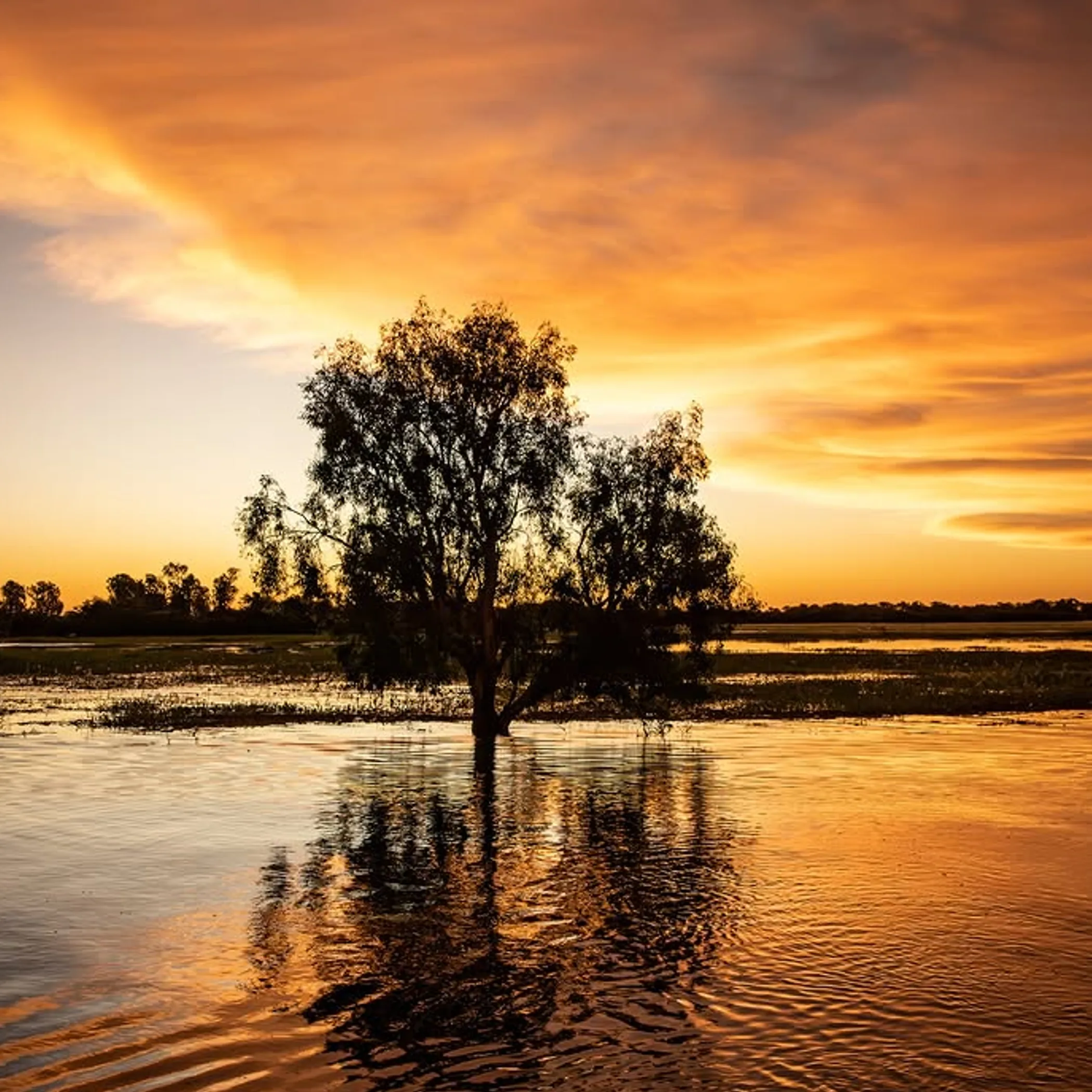
Travellers in Kakadu often make the error of packing for a postcard. You will see someone in flimsy sandals on a rough track or lugging heavy kit and no insect repellent; they will wish they had not. Be practical and do not dress for a city lunch. You have to contend with dust, the heat, car parks with no shade and a dunny stop that comes later than you would like.
What To Bring By Season
- Wet season: light long sleeves, something that dries fast, a good repellent, sun protection, refillable bottles and a first-aid kit. Have a proper list for electronics to guard against the rain.
- Dry season: a broad-brim hat, walking shoes that are closed, sunscreen, snacks and clothing to stand up to the dust on long road days. A warm layer is useful for the cooler parts of the day.
Water is where people are caught out. In the Top End you are too busy with the driving and sightseeing to notice the dehydration setting in. Take more than you need and then some.
Work Out Cost And Crowds
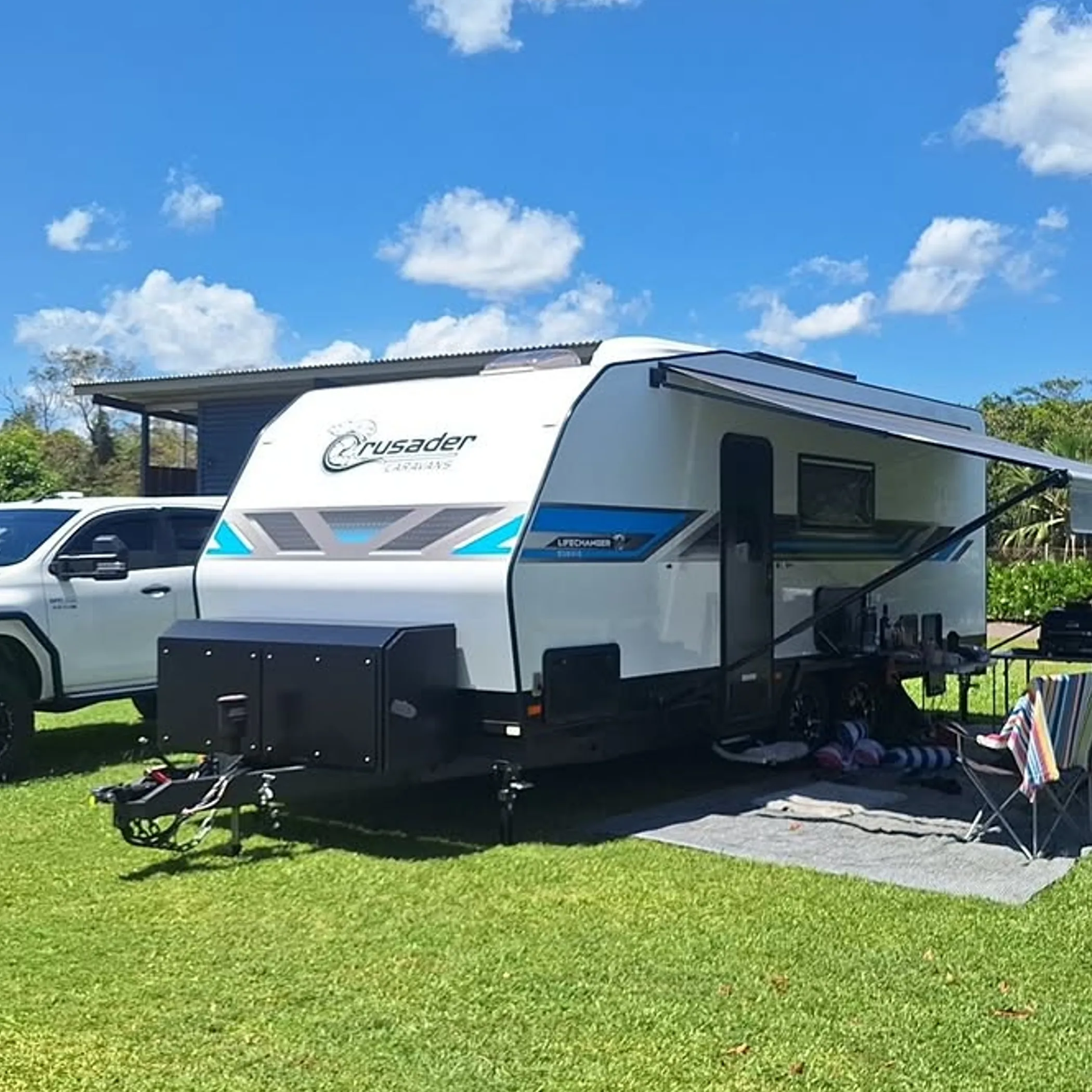
Your season will determine the scenery, the price and your elbow room. Dry season means more competition for a room or a tour, the wet allows a bit of leeway provided you are content with fewer activities.
Honest planning is required. Once you factor in fuel and distances and the like, you will find cheap and easy do not always coincide in Kakadu.
Budget And Availability
Lodges and scenic flights are at the top end of the scale for most. The more economical option is to camp or take a basic self-contained stay. You will see availability dwindle quicker in the winter dry season with the upturn in demand, particularly in the school holidays and when the Top End travel window is at its peak.
For a single day there is no point in attempting to “do Kakadu”. Make a proper job of one part of it. A long day out from Darwin with a few well chosen stops is more realistic than trying to put in a grand loop of everything you can see on the map. Give yourself 2 to 4 days and you will find the trip is less of a rush and well worth the while.
Who is best served by each season?
| Traveller Type | Better Fit | Rationale |
| First-time visitor | Dry | Easier to plan and you will have more open access. |
| Photographer | Wet | For the storm light, the greens and waterways running full. |
| Family on a self-drive | Dry | Disruption is minimal and the logistics are simpler. |
| Birdwatcher | Either | You will see different patterns in the wildlife depending on the season. |
| One with a strict bucket list | Dry | Less chance of being shut out of the important sites. |
FAQ
People make comparisons between the seasons and certain questions invariably arise. One can understand that. Vague answers are of little use in a place as vast and mercurial as Kakadu.
Below are the ones I get asked most, sans the brochure talk.
What is the difference between the wet and the dry?
With the wet you have the monsoonal rain, the heat and humidity, stronger falls and in places fewer people but also more closures. The dry offers attractions that are open, touring you can count on and an absence of humidity. Put simply, the wet is unpredictable and has more of a mood to it, the dry is convenient.
When is the time to go to Kakadu?
Not everyone will have the same best month. In the dry you will find conditions and access to be more reliable, which is why it is the usual recommendation for a first visit. But if you are prepared for the consequences, the build-up and wet-season can be more of a reward for the dramatic wetland scenes.
Litchfield or Kakadu?
Two very different affairs. Litchfield is the way to go for a no-fuss day-trip from Darwin. Kakadu is of a much greater size and complexity; with time and an eye for rock art, the wetlands and wildlife it is all the more rewarding.
Darwin’s wet season?
By Top End reckoning the monsoon is a matter of several months, the heat and humidity will mount before the heaviest of the rain and then subside in the transition. When you are making your plans for Kakadu though, current access is what counts, not some tidy date range, as the reality on the ground can be a week to week proposition.
Will Jim Jim and Twin Falls be open?
Do not count on it. They are iconic enough but they are not a given. Road and water levels and management will have the final say. Have a back-up and check what is current before you head out.
So how does one decide on the wet or the dry?
Choose the dry for ease, the wet for the drama. First visits are safer in the dry. The wet makes for something you will not forget provided you have the sense not to bicker with floodwater and are flexible.
Declan Ashby would tell you to let your temperament dictate the season, not your leave calendar. Whether it is cool mornings on an open track or a storm over a billabong, Kakadu should be done right. Plan accordingly, be croc-wise and allow the park to have its way.
